No products in the cart.
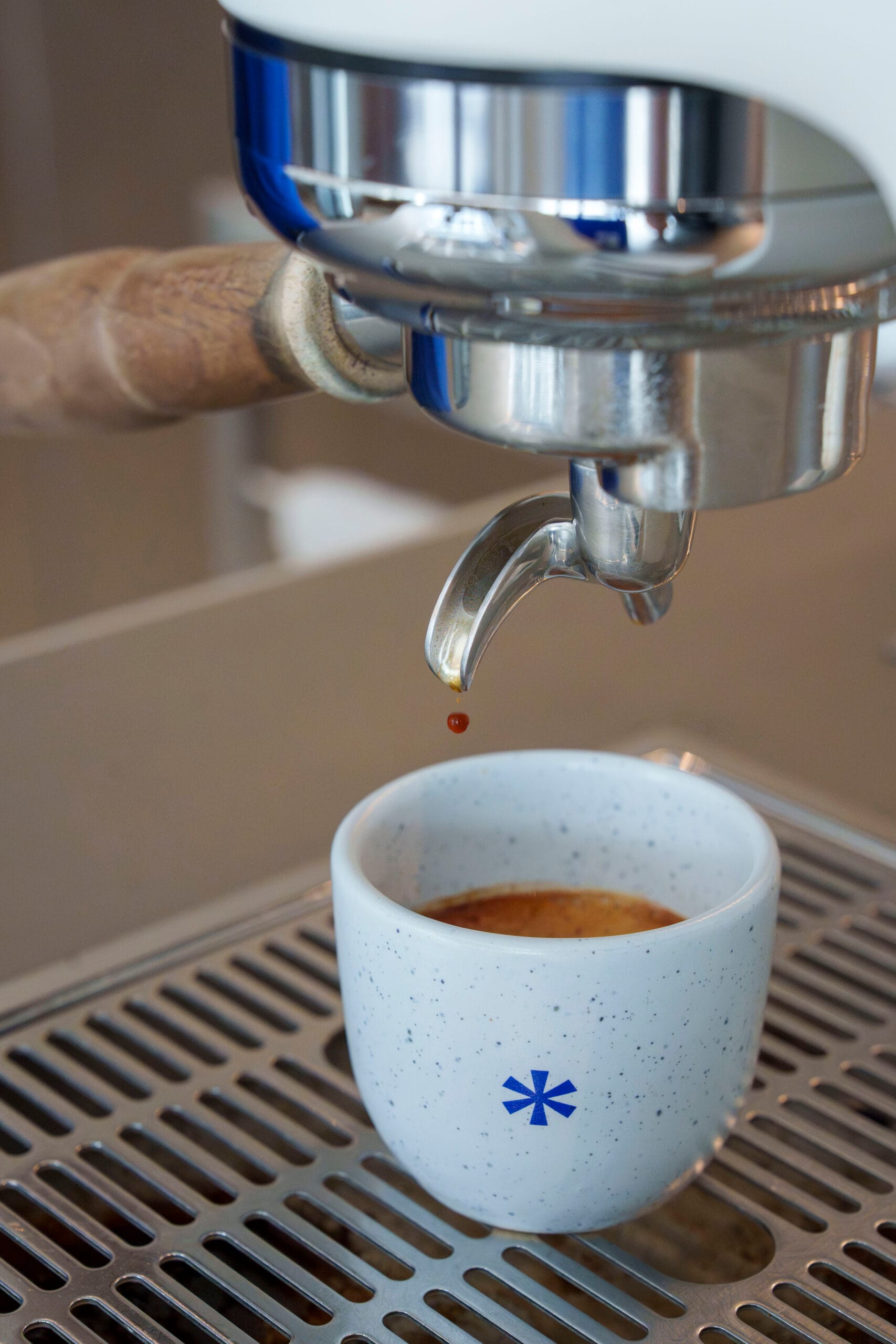
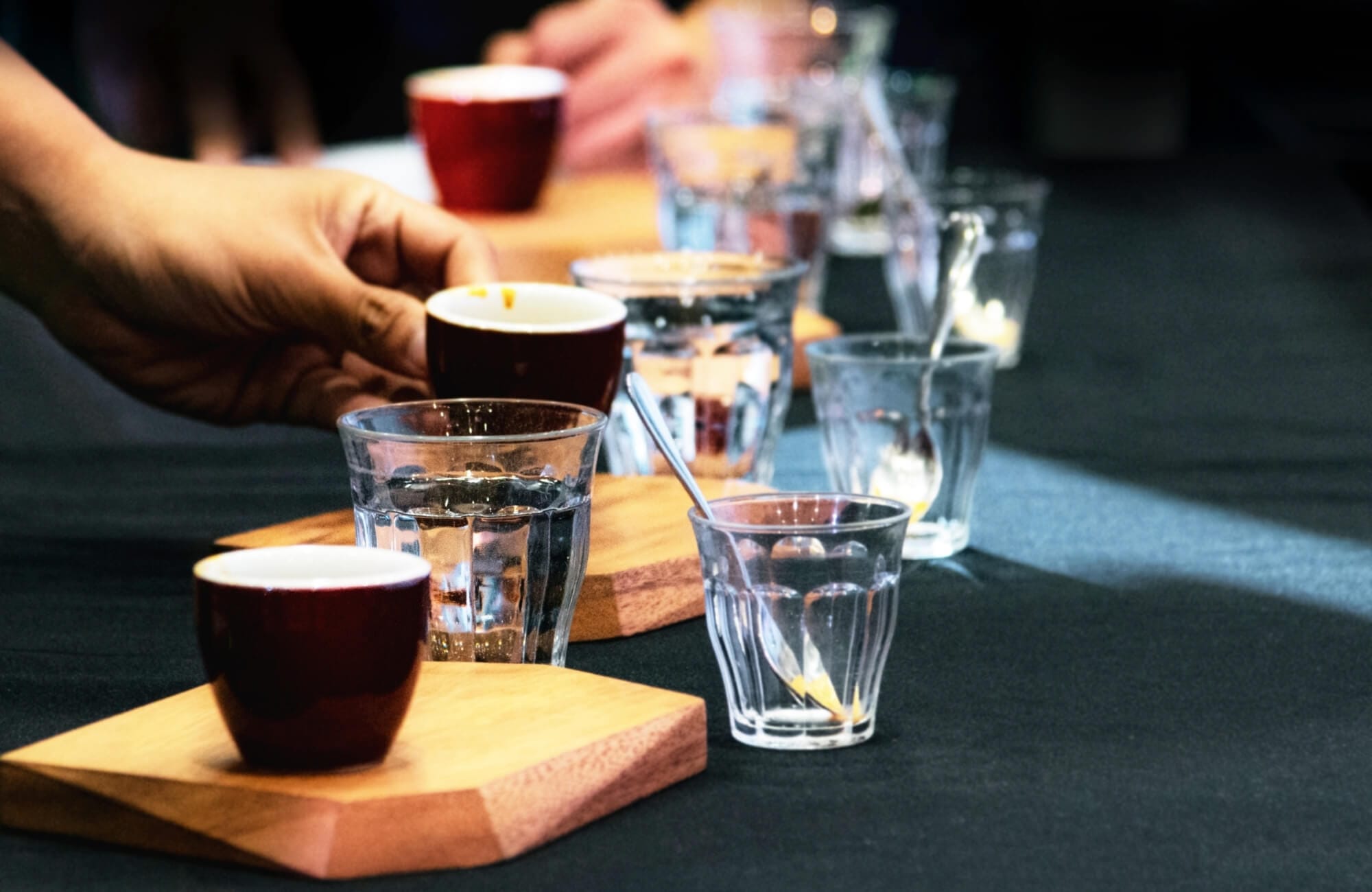
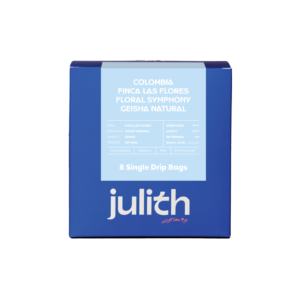
Is the price you pay for a cup of coffee just about the weight of the beans, or is it about the complex world of flavor hidden inside that cup? While many hold the perception that “coffee is just coffee,” a professional blind coffee tasting experiment reveals the massive gap between cheap commercial coffees and specialty beans like Julith Coffee in a matter of seconds. In this comprehensive guide, we will analyze the sensory differences and the agricultural-technical reasons behind them through a “Blind Coffee Tasting Experiment.”
Even before the water touches the grounds, a blind coffee tasting begins with a visual inspection. Cheap commercial coffee (commodity coffee) is often roasted extremely dark to camouflage “quakers” (unripe beans), insect-damaged seeds, or moldy particles. You will frequently notice a shiny, oily surface on these beans; this indicates that the protective cellular structure has collapsed, and oxidation (staleness) is rapidly progressing.
In specialty coffee, the process begins at the harvest. Only the ripest, brightest red cherries are hand-picked. Roasting is conducted with a precise profile designed to protect the unique genetic character (DNA) of each bean. The color is perfectly homogeneous, and each bean maintains its structural integrity. This visual discipline is the first proof of a clean flavor profile and the absence of harmful components like mycotoxins.
The most exciting stage of a blind coffee tasting is the olfactory evaluation. When you smell cheap coffee, your brain usually registers a single, flat scent: “Burnt,” “Charcoal,” or “Damp Earth.” The aromatic spectrum is narrow because the beans are either low-quality Robusta or have lost their volatile compounds due to poor storage.
In specialty coffee, the opposite is true. As you approach the cup, you are greeted by layered aromas reminiscent of a floral garden, a zesty lemon, or a piece of high-quality dark chocolate. This is because specialty coffee contains over 800 aromatic compounds. It is “complex”; these aromas evolve as the water temperature changes. A coffee from Ethiopia that starts as fruity may transform into a sweet black tea flavor as it cools. Cheap coffee, however, maintains the same dull and monotonous profile from start to finish.
The defining moment of any blind coffee tasting is the balance between acidity and bitterness. In cheap coffees, acidity often manifests as a “vinegary sourness” or is completely absent. Instead, a harsh bitterness that clings to the back of the tongue and burns the throat dominates. This bitterness stems from the high caffeine and chlorogenic acid content in low-grade beans being carbonized by over-roasting.
In specialty coffee, acidity is the most precious element that makes a cup “vibrant.” Much like the refreshing sensation of fresh fruit that causes salivation, the acidity in specialty coffee is balanced and sweet. Whether it is the malic acidity of a Colombian bean or the blackcurrant brightness of a Kenyan coffee, it elevates the beverage from a simple stimulant to a gourmet experience.
What remains on your palate after you swallow? In a blind coffee tasting, the finish is a crucial metric. In cheap coffees, the finish is usually “dirty” and dry. It leaves an ashy, metallic, or woody taste, forcing you to reach for a glass of water to cleanse the palate. These are the chemical footprints left by defective beans.
In contrast, the finish of specialty coffee is pristine. After swallowing, a sweet cocoa note, a fruity breeze, or a caramelized sensation remains. This taste can last for several minutes, making you want to linger on the flavor rather than wash it away. In professional cupping, this is referred to as a “long and clean finish.”
The result of a blind coffee tasting experiment goes beyond the senses. Cheap coffee is anonymous; its origins and producers are unknown. Specialty coffee is “traceable.” The altitude, variety, and farm information on a Julith Coffee bag serve as a certificate of quality. This transparency is the final proof of why specialty coffee stands in a class of its own.