No products in the cart.
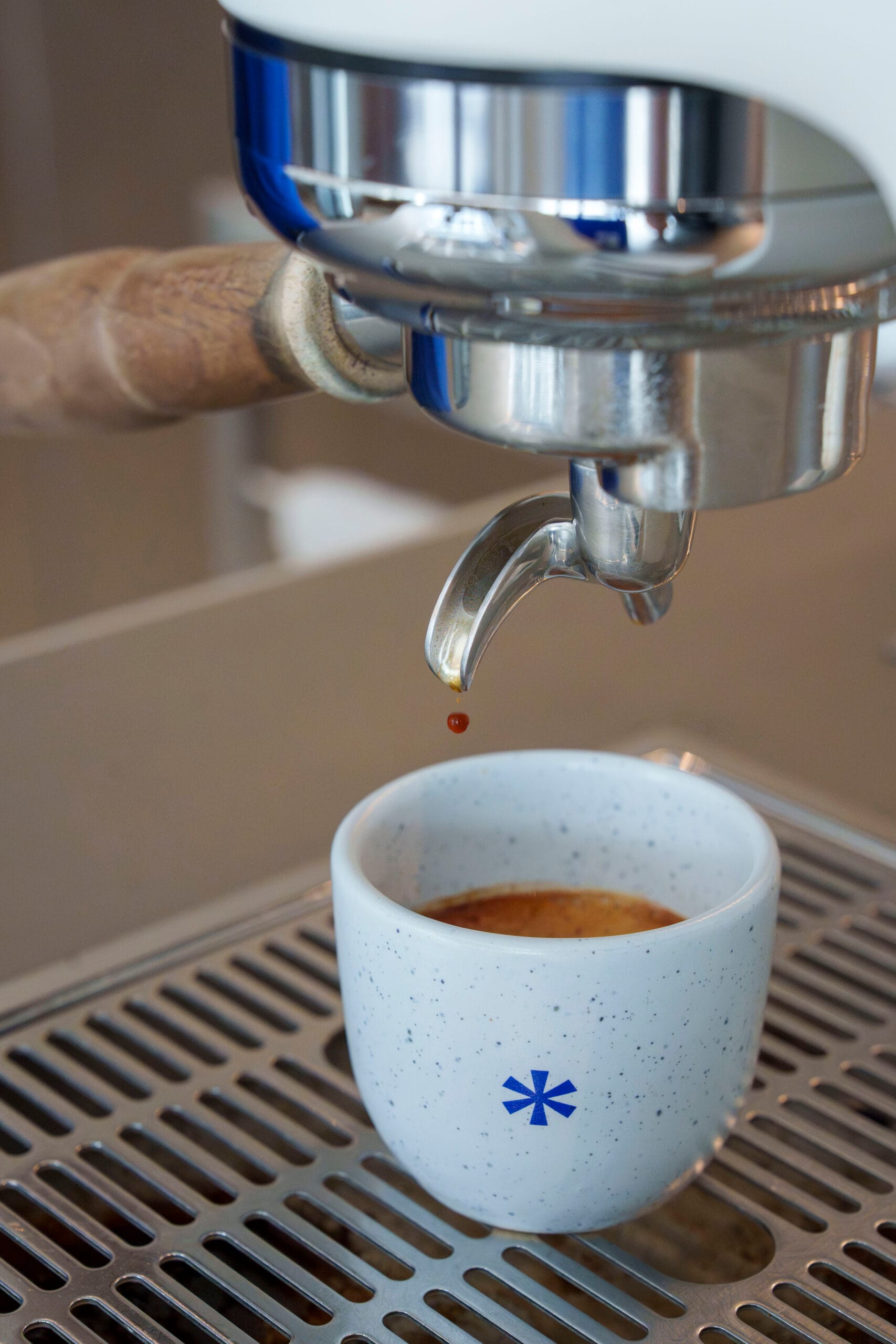
For many, an espresso shot is a quick caffeine fix. At Julith Coffee, we view it as the ultimate expression of a coffee bean’s soul. It is a 30-milliliter testament to precision, where a single second or a degree of temperature can be the difference between a bitter mistake and a sensory masterpiece.
To truly master the espresso shot, one must look beyond the machine and understand the complex physics and chemistry that occur within those few seconds of extraction.
Extraction is the process where water dissolves the flavors from the coffee grounds. In an espresso shot, this happens under high pressure (typically 9 bars).
Acids (First stage): The first compounds to be extracted are the bright, fruity acids. If the shot is too short, it will taste “sour.”
Sugars (Middle stage): Next come the sugars and caramel notes, providing balance and sweetness.
Bitterness (Final stage): The last compounds to dissolve are the heavy, bitter phenols. If the shot runs too long, it becomes “ashy” and unpleasant.
At Julith, our goal is the “Sweet Spot”—the perfect balance where acidity meets sweetness before bitterness takes over.
Mastering the espresso shot requires controlling four critical variables with absolute consistency.
The grind size is the most important variable. Espresso requires a fine, sandy texture.
Under-extraction: If the grind is too coarse, water gushes through. Result: A watery, thin, and sour shot.
Over-extraction: If the grind is too fine, the water struggles to pass. Result: A burnt, dry, and harsh taste.
At Julith, we typically use a “Double Shot” dose of 18 to 20 grams. This provides enough coffee mass to create the necessary resistance against the 9-bar pressure of the machine. Even a 0.5-gram difference can significantly alter the taste profile.
Tamping is not about strength; it is about “leveling.” If your tamp is uneven, water will find the easiest path through the coffee (a phenomenon called Channeling). This leaves part of the coffee unextracted while over-extracting the rest, creating a confusing and imbalanced flavor.
Temperature stability is vital. We brew our signature blends at specific temperatures—typically between 92°C and 94°C.
Dark Roasts: Usually perform better at slightly lower temperatures to avoid excess bitterness.
Light/Medium Roasts: Require higher temperatures to fully extract the complex acids and sugars.
A perfectly pulled espresso shot from Julith Coffee is a visual marvel. When poured into a glass, you should observe three distinct layers:
The Crema: The golden-brown foam on top. It is composed of CO2 bubbles and emulsified oils. While the crema itself is often bitter, it traps the volatile aromatics that provide the “scent” of the coffee.
The Body: The middle, caramel-colored layer. This is where the texture and mouthfeel reside.
The Heart: The dark base of the shot. This contains the heaviest concentration of coffee solids and provides the “kick” and lingering finish.
Even for professional baristas, the “perfect espresso shot” is a moving target. External factors like humidity and bean freshness can change the extraction daily.
If your shot tastes too sour: Your grind is likely too coarse, or your water is too cool. Try a finer grind or increase the yield slightly.
If your shot tastes too bitter: Your grind is likely too fine, or your water is too hot. Try a coarser grind or ensure your machine is clean.
If your crema is thin or disappears quickly: Your beans might be stale, or your machine’s pressure is too low. At Julith, we always roast to order to ensure the CO2 levels are perfect for a rich crema.
The beauty of the espresso shot is its versatility. Our roasting profiles are designed to shine under the intense pressure of an espresso machine.
Seasonal Micro-lots: For the adventurous palate and those drawn to the taste of terroir. These single origin espressos are either shaped toward a distinct cup profile or presented true to their origin, revealing clarity, character, and a sense of place.
You can have the best beans from Julith and the most expensive machine, but if your equipment is dirty, your espresso shot will suffer. Residual coffee oils turn rancid quickly, adding a “fishy” or metallic taste to your cup.
Backflush daily: Keep the group heads clean.
Purge and Wipe: Always purge your group head before a shot and wipe your steam wand immediately after use.
Water Quality: Use filtered water. Scale buildup not only damages your machine but also flattens the vibrant flavors of the specialty coffee.
Serving an espresso shot at Julith is more than just a transaction; it is a ritual of craft and care. Every shot tells the story of the high-altitude farms in Ethiopia or Brazil, the meticulous roasting process in Dubai, and the steady hand of the barista.