No products in the cart.

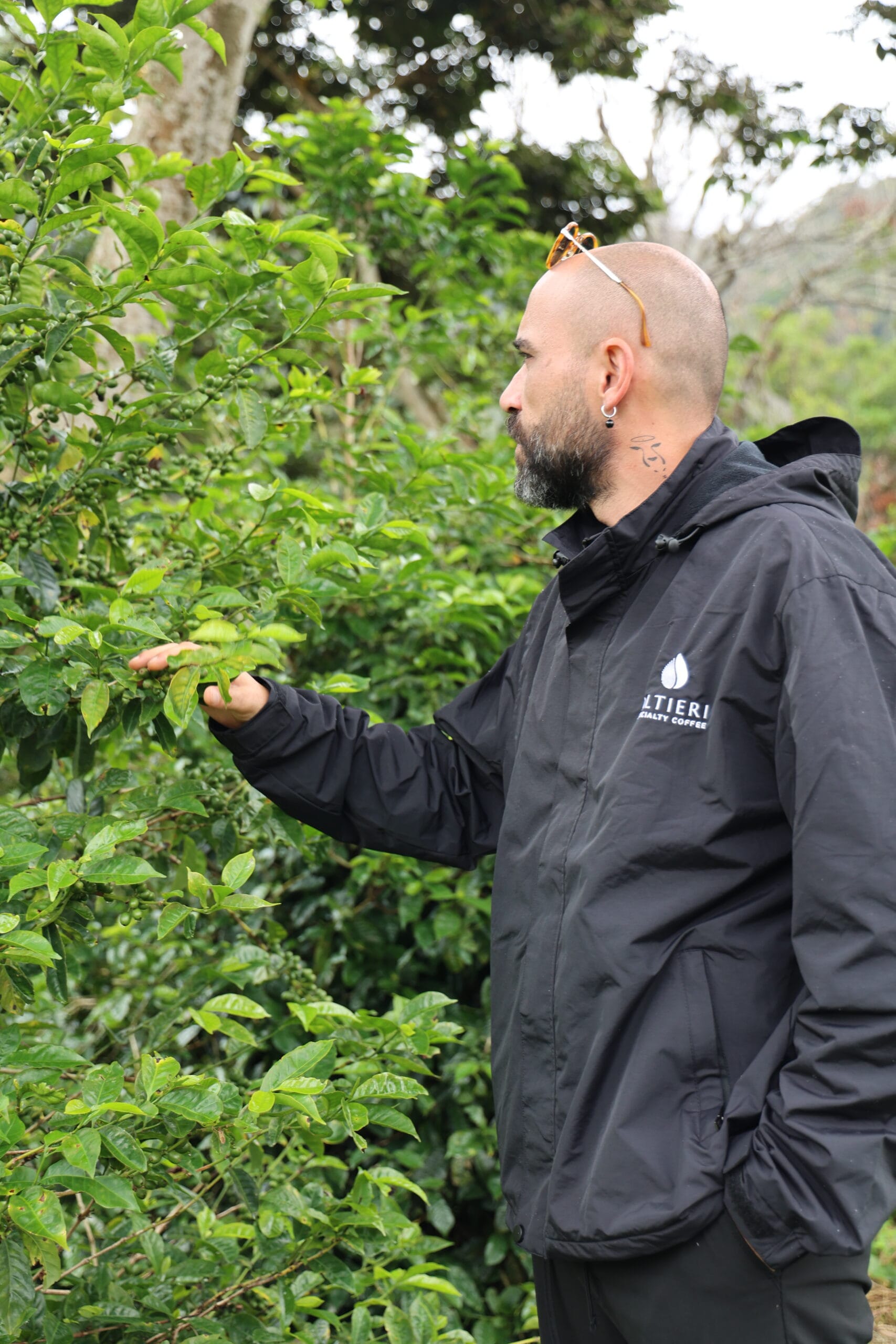
At Julith, we believe that every exceptional sensory experience begins long before the espresso machine is turned on. It starts with the coffee bean. This small, green seed is a living product that carries the history, culture, and geographic essence of its origin. Understanding its journey is essential to appreciating the complexity of the liquid in your cup.
The transition from a cherry on a tree to a perfectly roasted Julith selection involves a story of craft, care, and human ingenuity. Let’s follow the path of the fruit through its most critical stages.
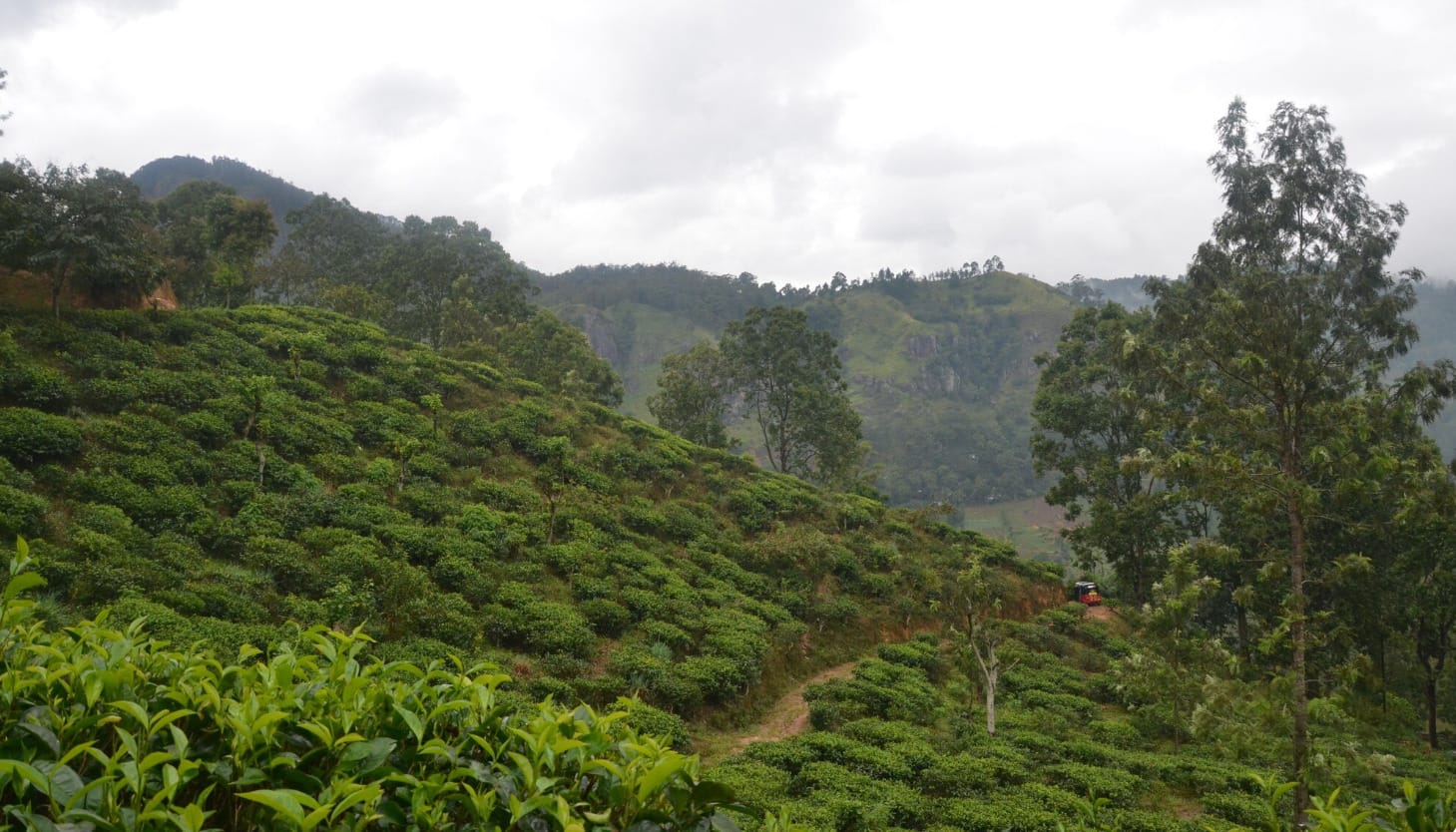
The character of a coffee bean is dictated by its “terroir”—the unique combination of soil chemistry, altitude, and climate. Julith sources from high-altitude estates located in the world’s most prestigious growing regions.
At these elevations, the fruit matures more slowly, allowing the seed to develop a higher concentration of sugars and complex acids. Whether it is the volcanic soil of Central America or the ancient forests of Ethiopia, we personally collaborate with growers who prioritize sustainable practices. To us, every single coffee bean we source represents a partnership between the farmer and the roaster.
Once the cherries reach peak ripeness (a bright, translucent red), they are hand-picked. This labor-intensive process ensures only the best fruit is selected, but the real magic happens during processing, where the seed is separated from its pulp.
Washed Process: This highlights the “clean” and acidic profile, typical of high-quality Ethiopian lots.
Natural Process: The seed dries inside the fruit, absorbing intense sweetness and berry-like notes.
Honey Process: A hybrid method that results in a coffee bean with a syrupy body and balanced acidity.
Each method is chosen specifically to highlight the inherent characteristics hidden inside the genetic structure of the harvest.
When the green cargo arrives at our roastery in Dubai, it is still silent. Roasting is the “bridge” that turns potential into flavor. Our expert team monitors every stage with scientific precision.
By balancing temperature curves, airflow, and timing, we trigger the Maillard reaction—the chemical process that develops the unique notes within the coffee bean. We avoid over-roasting; our goal is to respect the origin. A light roast might reveal jasmine and bergamot, while a medium roast might bring out rich notes of cocoa and toasted hazelnuts.
The journey of the coffee bean is not simply about logistics; it is about transparency. At Julith, we believe you should know exactly where your morning brew comes from.
Traceability ensures that farmers are paid fairly and the environment is respected. When you hold a Julith bag in your hand, you are holding a product that has been tracked from the exact hillside it was grown on to our modern facility in Dubai. This connection enhances the appreciation of coffee as a sophisticated, living luxury.
The final stage of this long journey is in your hands. Whether you are pulling a concentrated espresso or preparing a slow, methodical pour-over, the way you grind and brew will determine the success of the extraction.
Freshly ground seeds release their volatile aromatics instantly. This is why we roast to order—to ensure that the “spark” of the origin is still alive when it reaches your kitchen.
Every sip served at Julith reflects the dedication of dozens of people. From the farmers nurturing the trees to our roasting team perfecting the flavor, the coffee bean is a symbol of global connection and craftsmanship.
Julith Expert Tip: To preserve the integrity of your beans, always store them in a cool, dark place in an airtight container. Freshness is the final ingredient in the journey from farm to cup.