No products in the cart.
Good coffee is not only about high-quality beans it also depends on the correct grind size. Even if you buy the finest coffee, an improper grind can create a cup that tastes bitter, watery, sour, or flat. This is why the “perfect cup” is the result of a trio: the right beans + the right grind size + the right brewing method.
In this guide, we explain how grind degree affects coffee extraction, why different brewing methods require different grind levels, and why at Julith Coffee we always include grind recommendations in our product descriptions.
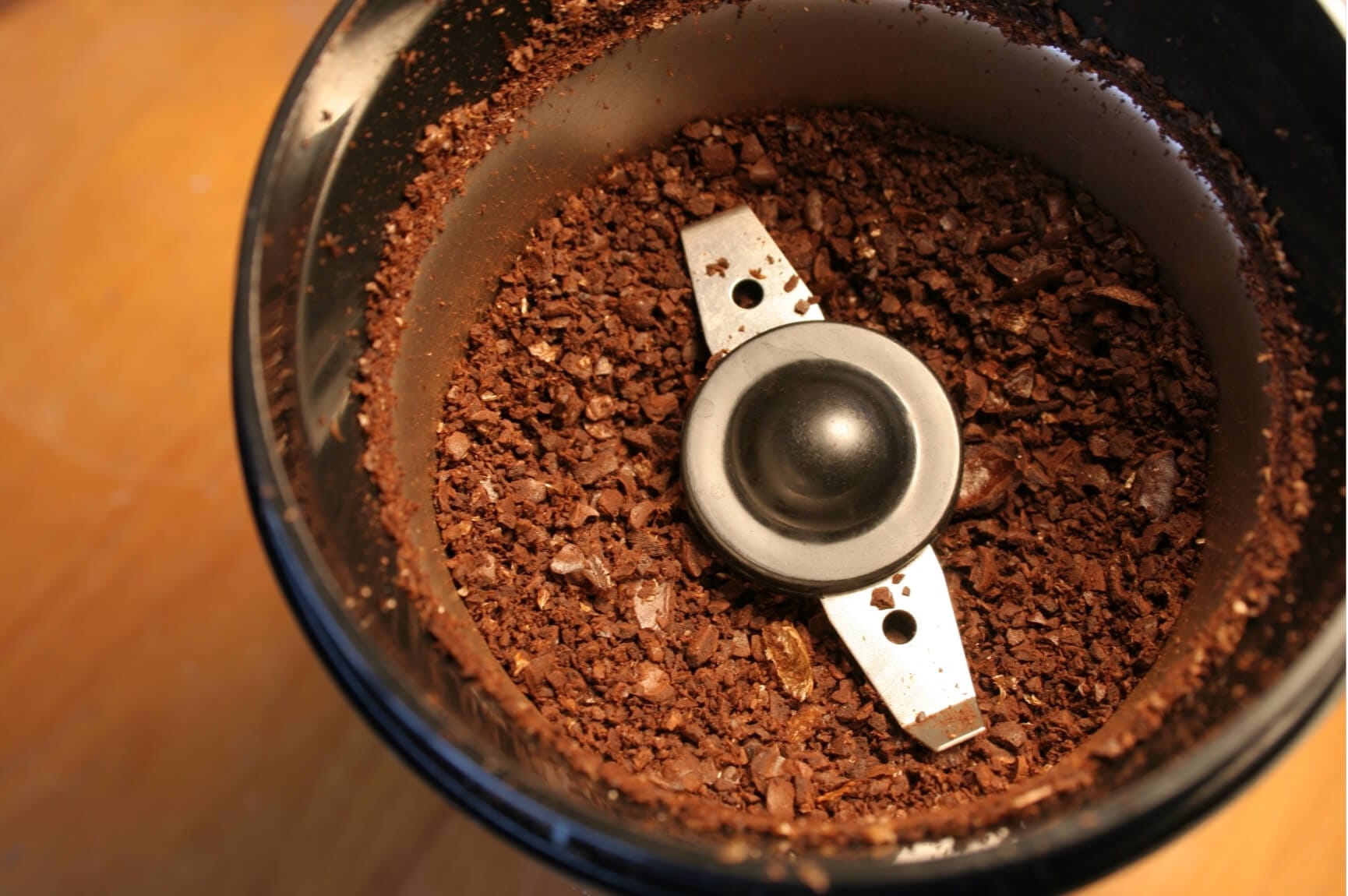
Grind size refers to how fine or coarse coffee beans are ground and it directly determines how quickly water extracts flavor from the coffee.
Because every brewing method has its own ideal extraction time, each one requires a specific grind size.
At Julith Coffee, we include the ideal grind degree for every product because even the best coffee cannot show its full potential when ground incorrectly.
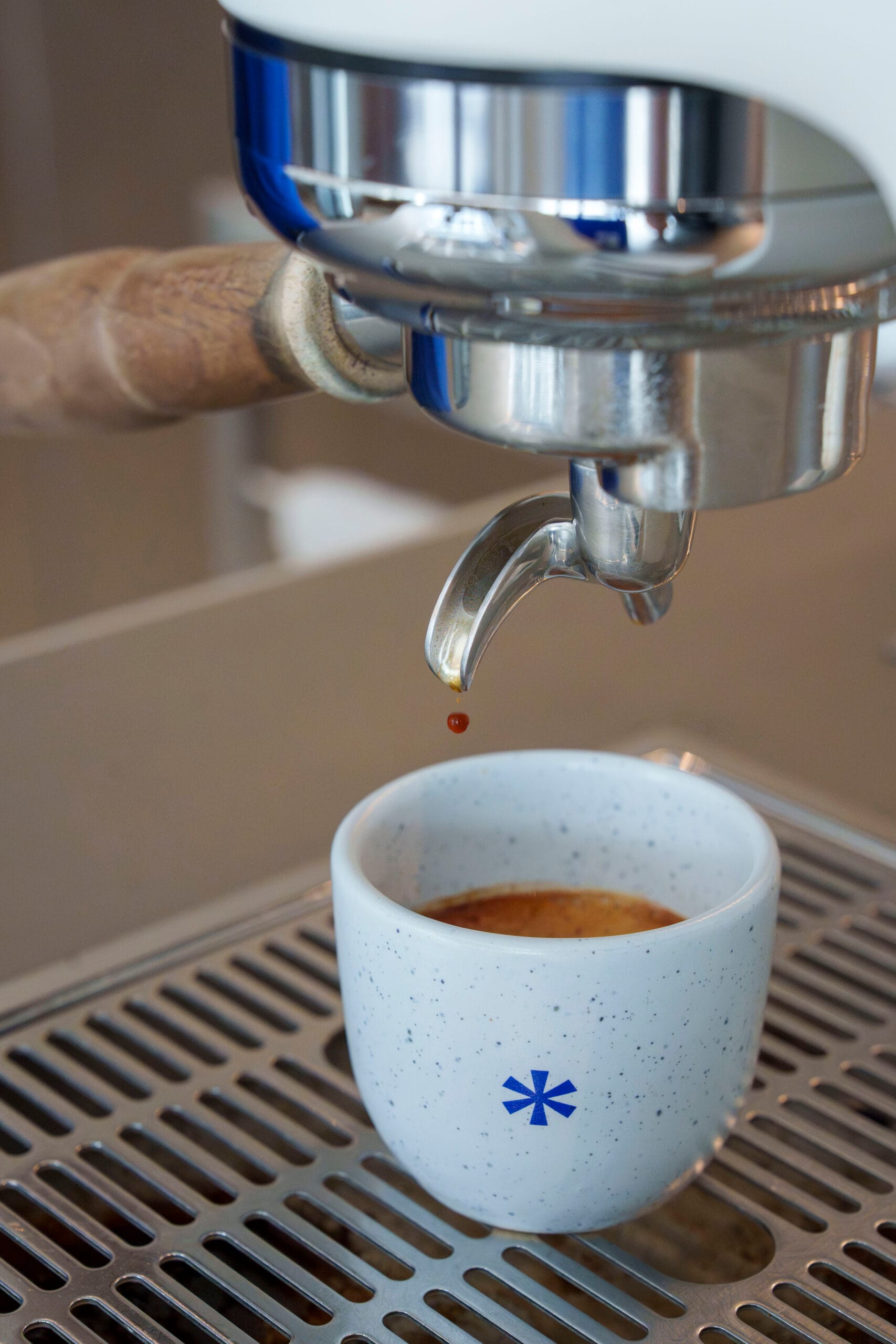
Finely ground coffee has a nearly powder-like texture, allowing water to extract flavor quickly and intensely. This grind is used for espresso machines, moka pots, and Turkish coffee. When dialed in correctly, it creates a rich, full-bodied cup with powerful flavor.
However, the smallest mistake can make the coffee taste harsh or overly bitter. Fine grinding is therefore a field where tiny adjustments create significant differences.
Medium grind is the most commonly used grind size in the coffee world. It is ideal for filter coffee makers, V60, and Aeropress. Medium-ground coffee extracts flavors evenly neither too bitter nor too weak.
For Julith Coffee’s Single Origin beans, medium grind is recommended because it highlights the natural aromas most clearly. The cup becomes clean, balanced, and delightfully versatile.
Chemex and other slower-flow pour-over methods require water to pass gently through the coffee bed. This makes medium-coarse grind ideal.
This grind enhances floral and fruity notes, producing a cup with exceptional clarity and brightness.
Light cold brew recipes also perform well with this grind size.
Coarse grind is used for brewing methods with long contact times, such as French Press, cupping, and cold brew. Because extraction occurs slowly, the resulting cup is smooth, lighter-bodied, and refreshing.
If your French Press coffee turns out muddy, the issue is usually grinding too fine. With the correct coarse grind, the coffee becomes more balanced and much cleaner.
The right grind size brings out the coffee’s natural aroma and true character:
A small adjustment finer or coarser can dramatically change the flavor depending on the brewing method’s flow rate and contact time.
At Julith Coffee, our baristas adjust grind size daily because factors like humidity, room temperature, roast date, and even grinder heat affect extraction. The ideal grind is always a moving target.
Each brewing method extracts flavor differently:
Water temperature, filter material, and brew time also influence extraction, and all of these variables work together with grind size. If your coffee doesn’t taste the way you want, the grind setting is usually the first thing you should adjust.
This is why the golden rule in the coffee world is:
“There is no bad coffee—only the wrong grind.”
Because the same bean can taste completely different simply by changing the grind size.
For example:
A fruity Ethiopian coffee can taste bright, floral, and citrusy with the correct grind but muddy, earthy, and weak with the wrong one.
This is why Julith Coffee always provides the ideal grind degree for every coffee. Without proper grinding, no bean can reflect its true identity.
Every coffee we offer at Julith Coffee reaches its highest potential when freshly roasted and the correct grind size ensures that this potential is fully expressed in your cup. Our grind recommendations, brew guides, and flavor notes are designed to help you achieve maximum clarity and quality.
If you want to elevate your coffee experience, the first step is choosing the right beans and the second step is selecting the right grind size.