No products in the cart.

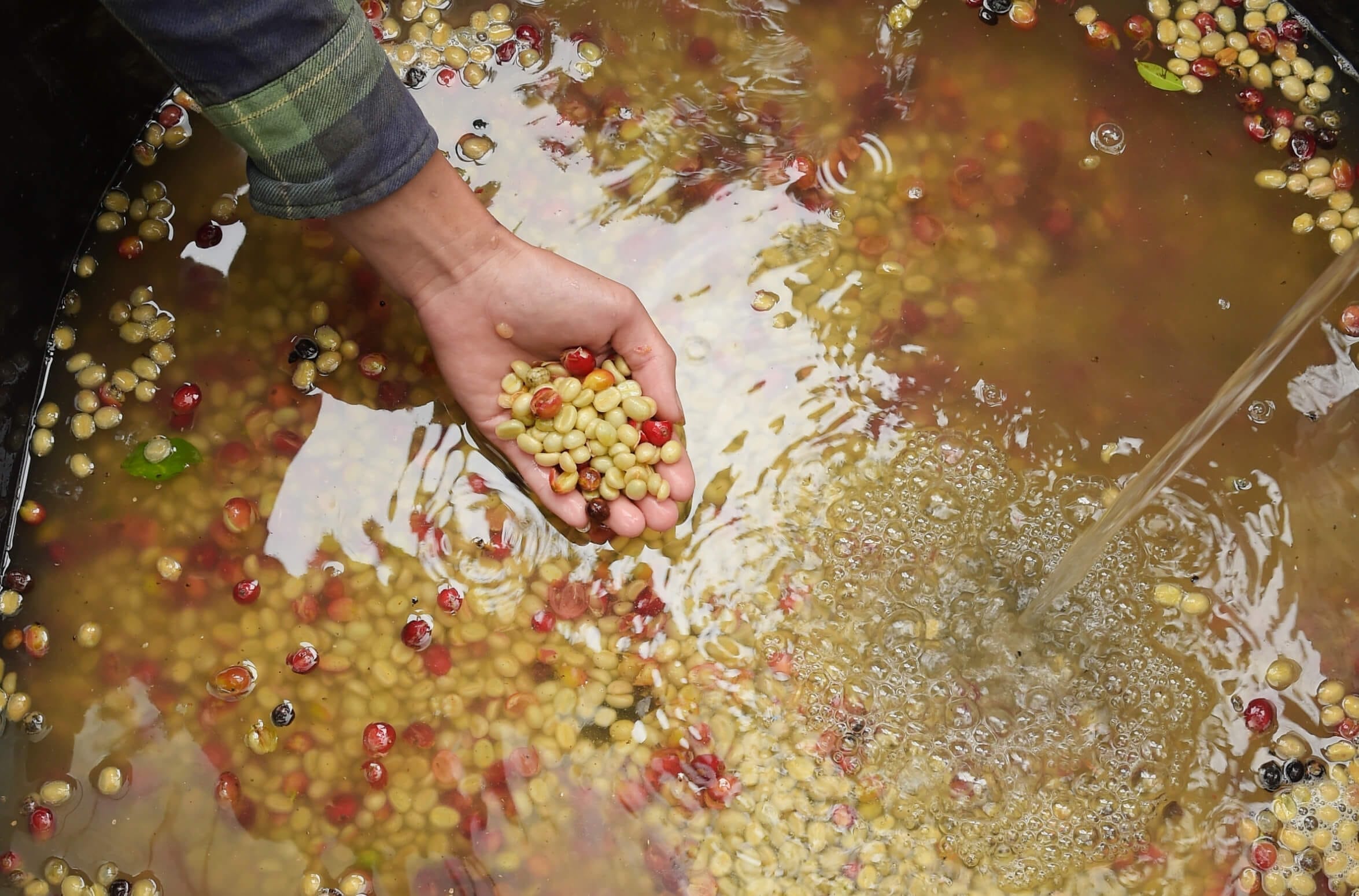
The journey coffee takes before reaching your cup is shaped not only by its variety or origin but also by the coffee processing methods used after harvest. Many consumers focus on whether a bean is Arabica or Robusta but the way the coffee cherry is handled, fermented, and dried has an equally powerful impact on flavor. Depulping techniques, fermentation duration, drying style, and environmental conditions all influence the aroma, sweetness, acidity, body, and fragrance you experience in the cup.
Around the world, the three most common coffee processing methods are Washed, Natural, and Honey. These are more than technical steps; they reflect regional traditions, climate, producer craftsmanship, and the natural character of the coffee fruit. Understanding these methods is essential for anyone who wants to truly appreciate specialty coffee at a deeper level.
At Julith Coffee, we highlight the processing details in all our specialty beans because the chosen method directly affects the sensory experience in your cup.
The washed process is the most widely used and is often considered the most “professional” method in the coffee world. In this process, the coffee bean is fully separated from the fruit, then fermented and washed until it reaches a clean, refined form. Because the fruit’s sugars minimally influence the bean, the coffee’s terroir becomes much more pronounced.
In washed processing, the coffee cherry is depulped using a machine called a pulper. The beans are then placed into fermentation tanks where the remaining mucilage breaks down through controlled fermentation. Afterward, the beans are thoroughly washed and left to dry.
Washed coffees are ideal for those who enjoy clarity, cleanliness, and lively acidity. This method is common in regions like Ethiopia, Kenya, and Colombia because it highlights the inherent aromatic diversity of these origins. It also performs beautifully with clean-brewing methods such as V60, Chemex, and filter coffee.
Julith Coffee Note:
Our washed coffees are especially popular among customers who prefer filter brewing. To experience this clarity, look for “Process: Washed” on our product pages.
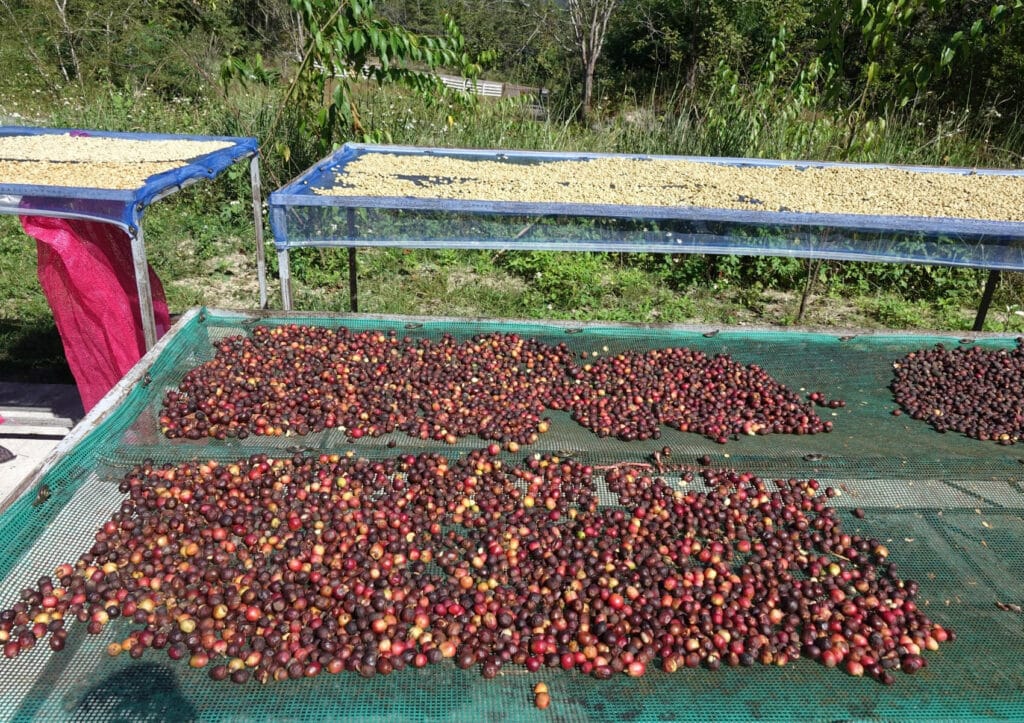
The natural process is one of the oldest and most traditional coffee processing methods. The harvested coffee cherry is dried whole without removing any fruit layers. During this slow drying stage, the bean absorbs sugars and flavor compounds from the fruit, resulting in a rich and expressive cup.
This method is particularly suitable for regions with hot, dry climates. It is widely used in many parts of Ethiopia and Brazil due to favorable weather conditions.
Natural-processed coffees have a striking impact on flavor: intensified sweetness, notes of red berries, blueberry, strawberry, tropical fruit, and sometimes even wine-like characteristics. The body is fuller compared to washed coffees, and the acidity is softer and rounder. For this reason, natural coffees excel in espresso and cold brew, offering a bold and expressive cup.
Julith Coffee Note:
Natural-processed coffees stand out with their fruity profiles. At Julith Coffee, our natural offerings are especially loved by customers who enjoy sweet and intense flavor experiences.
Honey processing is another distinctive style within coffee processing methods, and despite the name, no honey is added. The name comes from the sticky, honey-like texture of the mucilage layer left on the bean during drying.
In this method, the cherry’s skin is removed, but the mucilage is intentionally kept on the bean while drying. As the beans dry, this layer caramelizes, creating a cup that blends the cleanliness of washed coffees with the sweetness of natural ones.
Costa Rica is the country most strongly associated with the honey process, where you’ll find subcategories like white, yellow, red, and black honey distinguished by the amount of mucilage left on the bean.
Honey-processed coffees appeal to a wide audience and perform well in both filter and espresso brewing. Their balanced profile makes them a great option even for beginners.
Julith Coffee Note:
We periodically offer honey-processed coffees on our website. If you’d like to experience their unique balance of sweetness and clarity, check product descriptions for “Process: Honey.”
Processing plays a significant role in determining coffee prices:
Washed → high water usage & intensive labor
Natural → requires long drying time & large drying areas
Honey → very labor-intensive & higher risk of processing errors
For these reasons, honey and high-quality natural coffees are often more expensive. At Julith Coffee, processing difficulty is one of the factors considered when pricing our beans.
Climate change increasingly affects the viability of traditional coffee processing methods:
Excess rainfall → higher risk of mold
Severe drought → lack of water for washed processing
As a result, some regions are being forced to shift their traditional processing methods.
Many regions are strongly associated with their preferred coffee processing methods:
Ethiopia → Natural
Colombia → Washed
Costa Rica → Honey
These regional preferences have shaped flavor identities for decades.
When one coffee variety is subjected to three different coffee processing methods, the results are dramatically different:
Washed → bright, clean, refined
Natural → sweet, fruity, full-bodied
Honey → balanced, smooth, caramelized
This highlights how processing can influence flavor even more than the bean itself.
Clean & crisp flavors → Washed
Sweet & fruity flavors → Natural
Balanced & mellow sweetness → Honey
At Julith Coffee, we highlight “Process” information in product descriptions so you can easily find the coffee that matches your taste preferences.
Coffee is much more than a beverage. Each cup is a combination of climate, craftsmanship, geography, and processing method. As you become familiar with these processes, you’ll realize that “washed,” “natural,” and “honey” on Julith Coffee product pages are not just technical terms—they’re the key to understanding the character of your cup.
To discover which process best suits your palate, don’t forget to explore our specialty coffees at Julith Coffee.