Starter Barista Kit: The Essential Guide to Starting Your Coffee Journey at Home
The journey to making better coffee at home often begins with the question, “Which expensive machine should I buy?” However, the truth is: The right equipment combination makes a much bigger difference than any single, costly machine.
In this guide, Julith Coffee details what should be included in a “beginner, but truly functional” Starter Barista Kit, which equipment should be prioritized, and how you can gradually upgrade your setup in this journey.
1) Grinder – The Heart of the Starter Barista Kit (The Most Important Investment)
The most critical piece of your starter barista kit, and where you should allocate the largest part of your budget, is the grinder. The fresher and more accurately the coffee is ground, the more mistakes can be forgiven during brewing. The grinder is at the top of the Home Starter Barista Kit list.
Filter-Focused User: A high-quality manual burr grinder (conical burr). This offers high performance at a lower cost.
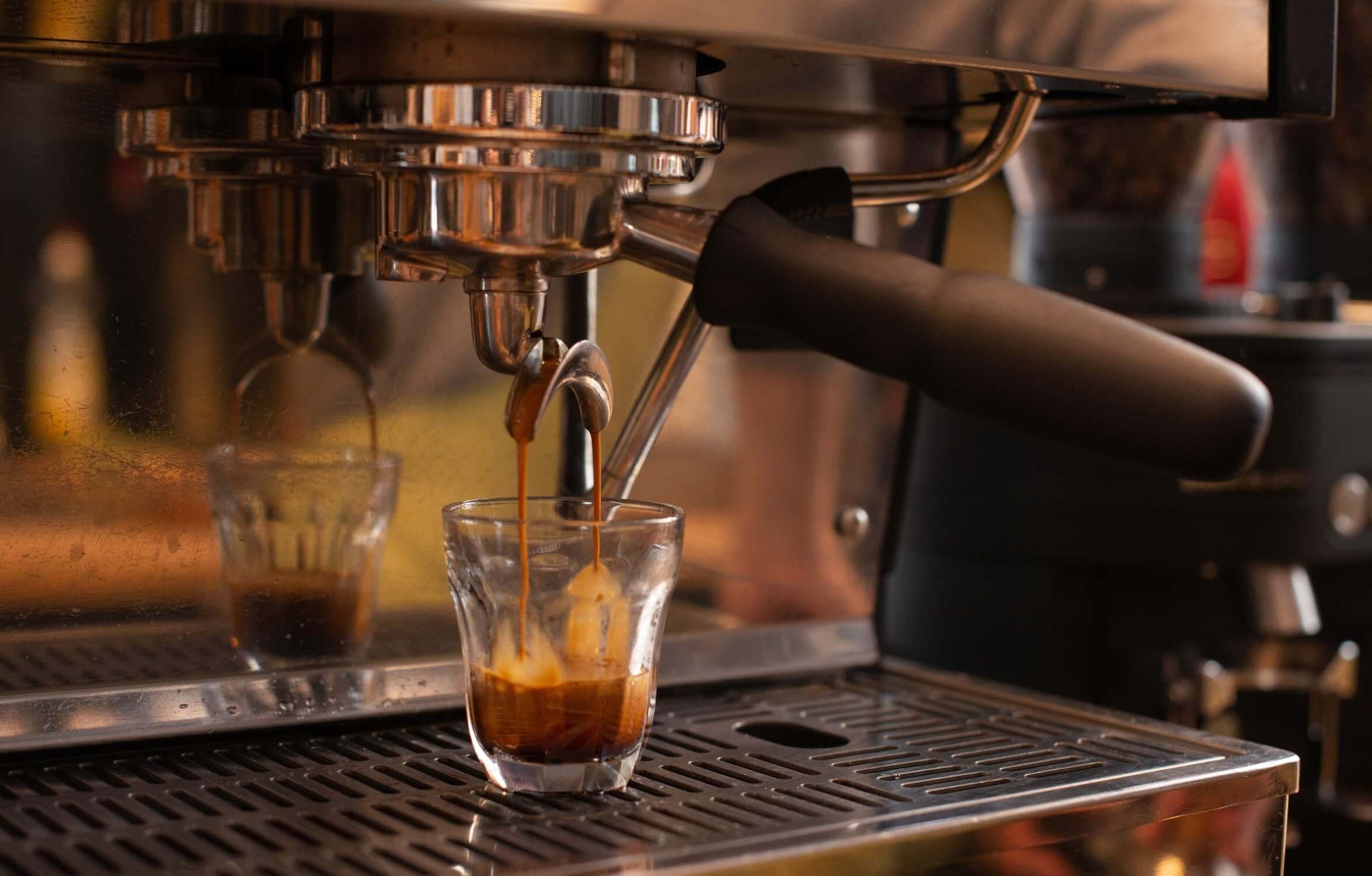
Espresso-Minded User: At least an entry-level electric burr grinder that can adjust to espresso fineness.
Why is it Critical? A good grinder ensures a consistent particle size distribution. Consistent grinding is the only way to achieve a repeatable and accurate flavor profile in every brew.
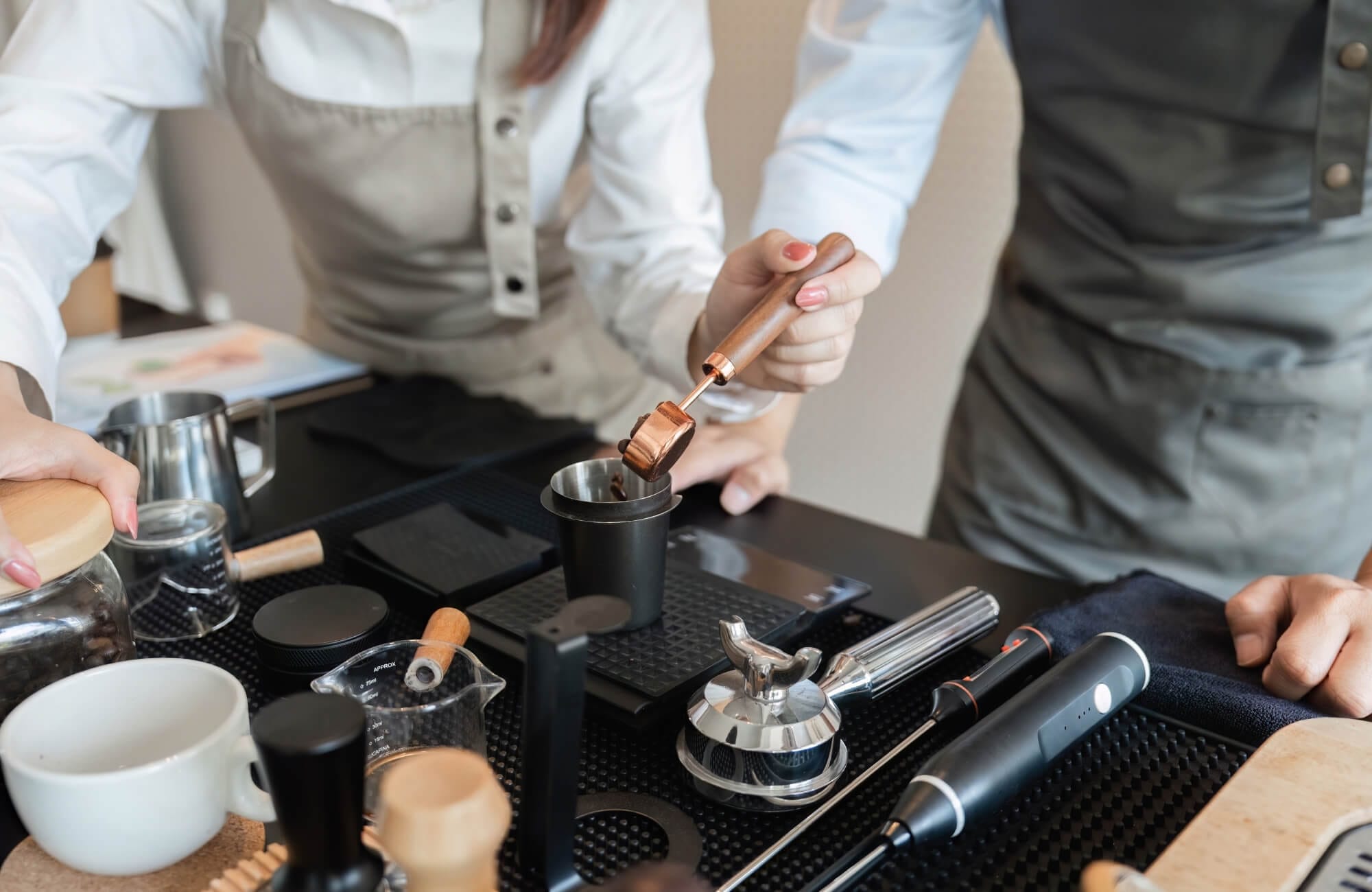
2) Scale – Time for Control, Not Guesswork
The one piece of equipment most beginners skip but which is actually a game-changer is the Accurate Scale. Without a scale, you will never be able to answer the question, “It was great today, why was it bad yesterday?”
Necessity: It makes the coffee-to-water ratio repeatable down to the milligram.
Features: It must offer 0.1 g accuracy and have a surface large enough to comfortably hold a dripper or French Press.
3) Kettle – Precision, Especially for Pour-Over
If you plan to do filter brewing (V60, Chemex, Kalita, etc.), a Gooseneck kettle provides a huge advantage by allowing controlled flow.
Ideal Features: The narrow-spout (gooseneck) design gives you control over the pour. Opting for temperature-controlled (electric) models (with presets like 92-94°C) significantly enhances brewing quality.
Budget Solution: If the budget is limited, you can start with a regular kettle; however, a Gooseneck kettle is a vital step for improving extraction quality.
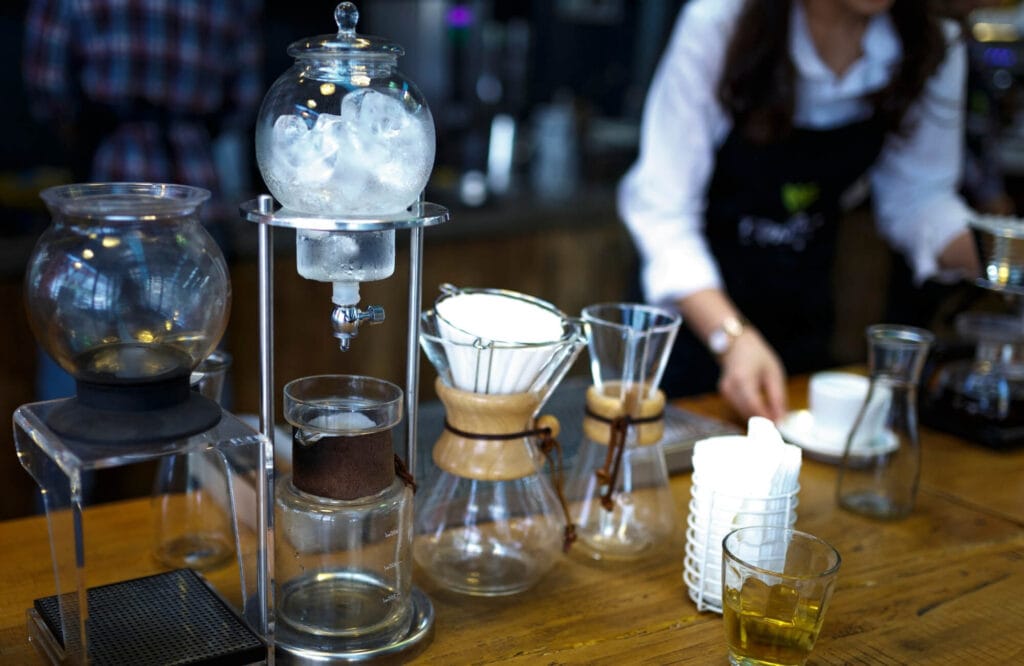
4) Filter Brewing Equipment: V60 or French Press
An espresso machine is not a necessary starting point for a Starter Barista Kit. A V60 + good grinder + scale combination can yield better filter coffee than most entry-level home espresso setups.
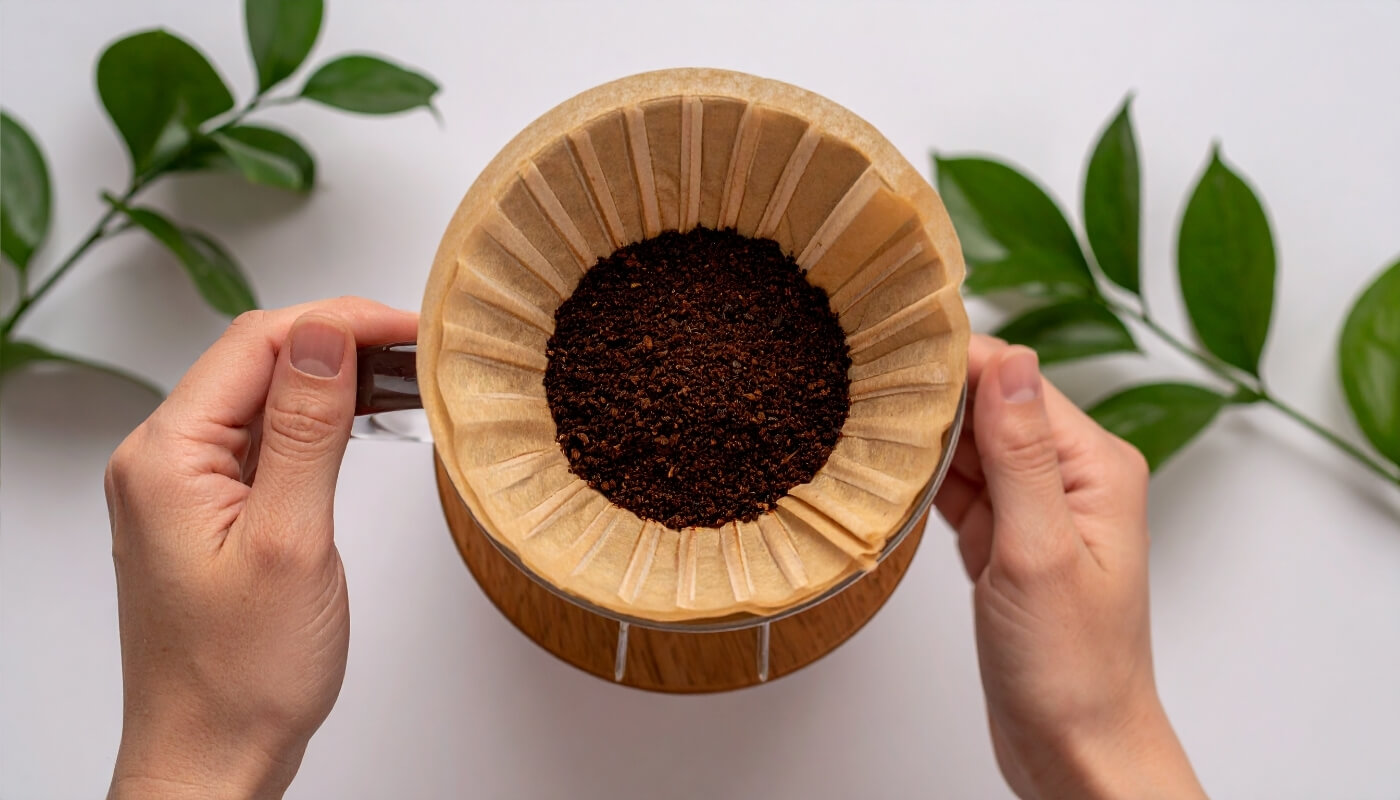
Option 1: V60 Set
V60 dripper (size 01 or 02) and V60 paper filters.
Ideal for those who love a clean, aromatic, third-wave coffee profile. It’s enjoyable to experiment with recipes.
Option 2: French Press
Perfect for those wanting a more full-bodied, intense, and classic profile.
It is very simple to use and can even be used for (simple) milk frothing.
5) Essential Accessories – Small but Critical Details
These accessories may seem like minor details, but they significantly enhance usage comfort and result consistency.
Server (Glass Carafe): Necessary for stable operation and serving, especially with V60 or Chemex brews.
Thermometer: If your kettle is not temperature-controlled, measuring the water temperature instead of guessing makes a huge difference.
Timer: A built-in timer on the scale is great; otherwise, your phone will suffice.
Stirrer/Spoon: Important for a more balanced extraction in V60 or French Press.
6) Simple Solution for Milk Drinks
If you love Flat White, Latte, or Cappuccino but don’t yet have an espresso machine, there are affordable ways to start your milk journey:
Equipment: A baton frother (handheld mini frother) and a small milk pitcher (300–350 ml).
Result: You won’t be able to do latte art with this combination, but you can prepare enjoyable milky beverages using milk heated on the stove or in the microwave.
How to Structure Your Starter Barista Kit
Gradually developing your kit throughout your coffee journey is the most logical approach.
Phase 1 – The Minimum, Yet “Correct” Start
Even at this stage, you will clearly feel the difference between grocery store coffee and specialty coffee.
Burr grinder (manual or electric)
Accurate scale (0.1 g)
V60 or French Press
Filters and an existing kettle
Phase 2 – Refining the Brew
At this stage, you will find your own palate profile and start comparing different brewing styles.