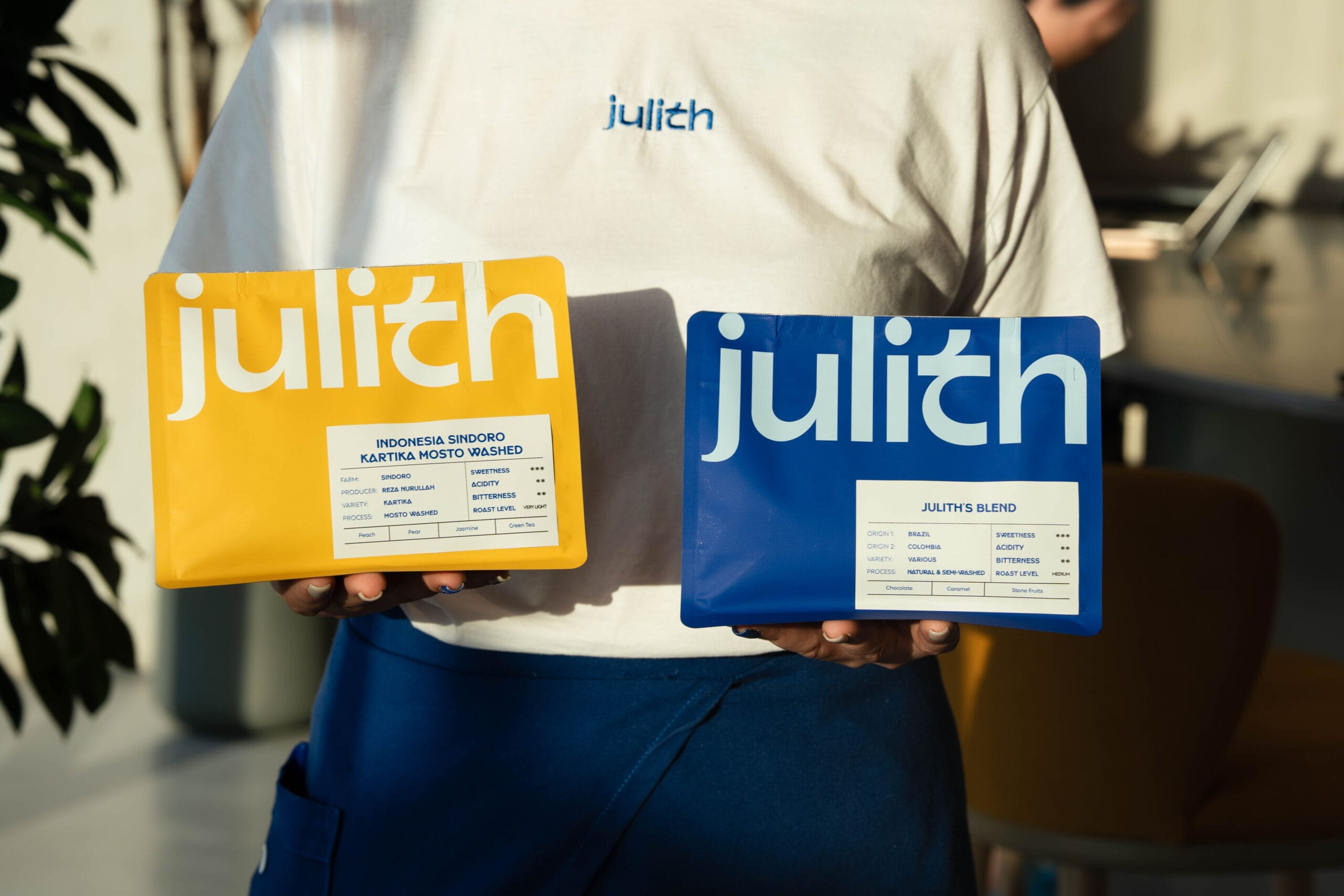
Single Origin vs Blend? When buying coffee, the terms “Single Origin” and “Blend” are among the most important distinctions that shape the character, flavor profile, and even the story behind your cup. These concepts became more visible with the rise of third-wave coffee culture, yet many coffee lovers still do not fully understand what they mean. At Julith Coffee, we include this information in our product descriptions to make it easier for you to understand where your coffee comes from and choose the profile that best matches your taste. This guide provides a clear and practical comparison for anyone searching for a true Single Origin vs Blend explanation.
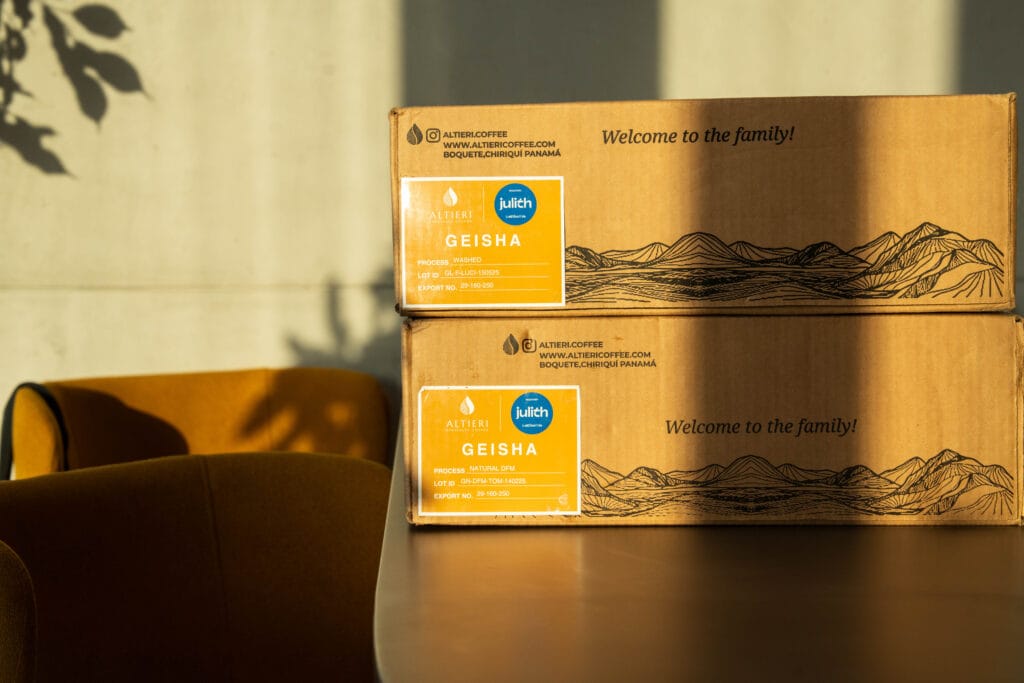
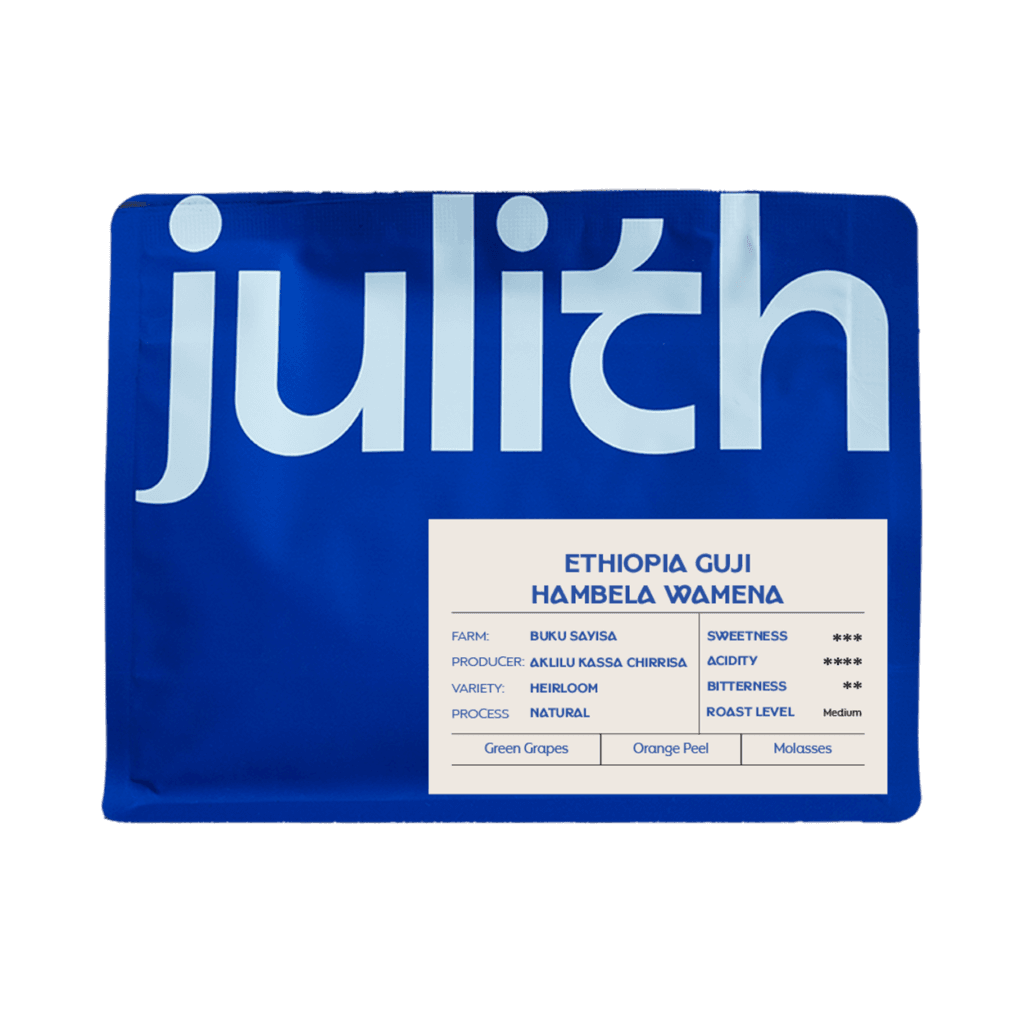
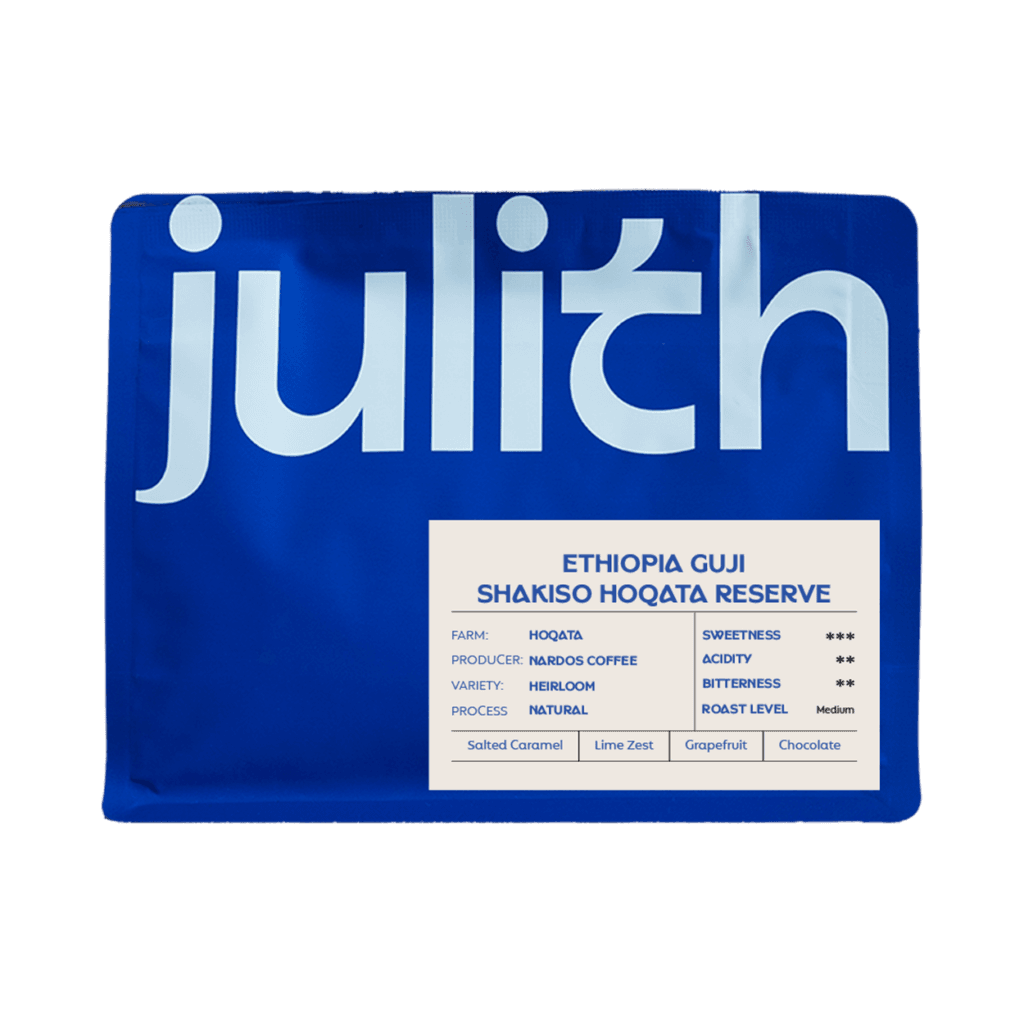
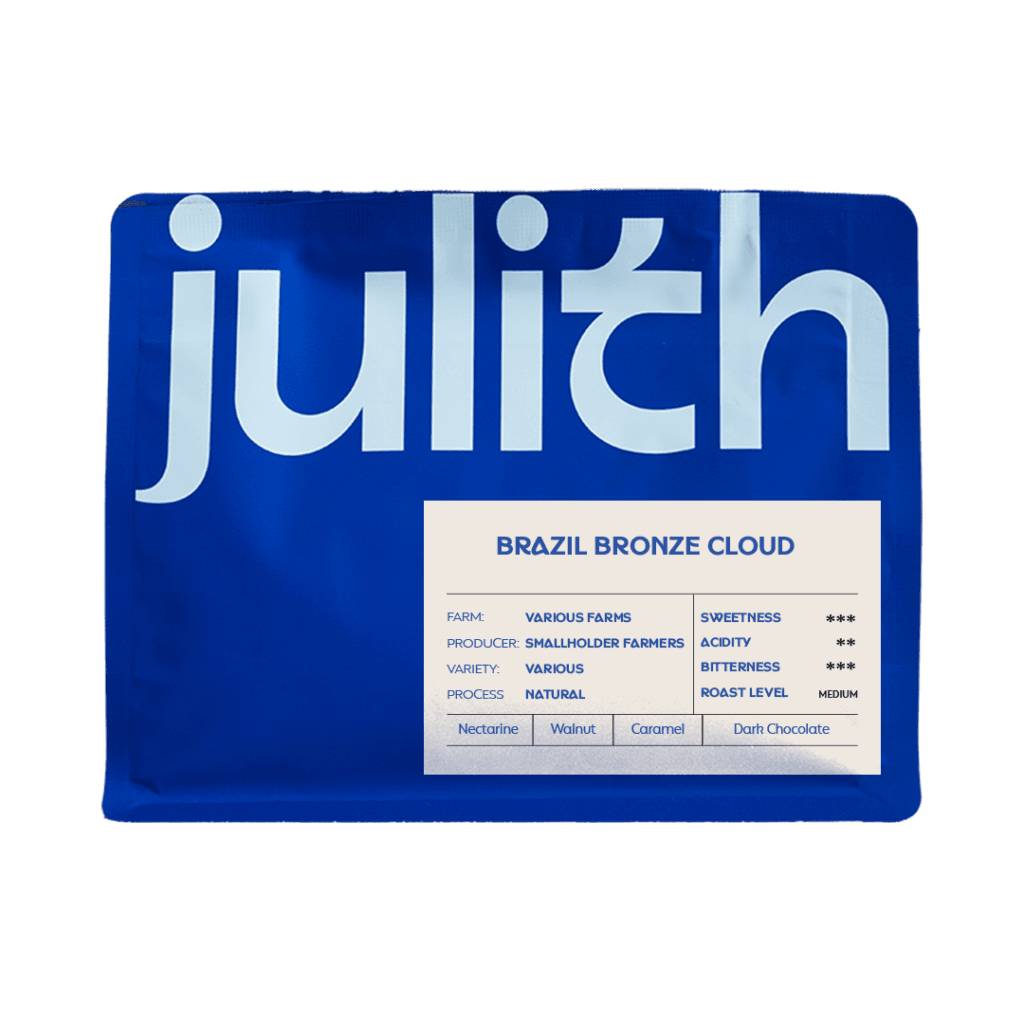
As the name suggests, Single Origin coffees come from a single source. This source may refer to a large geographical region, a specific area within a country, a particular farm, or even a micro-lot. The origin, the farmers who grew it, and the processing method are fully traceable. This transparency is clearly reflected in the cup soil composition, altitude, sunlight, rainfall, and processing style all create the coffee’s genetic identity.
The greatest strength of Single Origin coffee is its ability to express regional character with precision and honesty. The floral elegance of Panama, the chocolate and caramel notes of Brazil, and the fruity, often floral layers of Ethiopia are all unmistakable reflections of their environment. Drinking Single Origin coffee becomes a journey. Each cup revealing the story of its place, its culture, and the hands that produced it.
At Julith Coffee, we carefully preserve the authentic taste identity of each region in our Single Origin offerings. Every bag carries a story, a farm, and the unique touch of nature.
A Blend is created by combining different coffee beans to craft a specific flavor profile. In the context of Single Origin vs Blend, this approach offers a more balanced and accessible taste for everyday coffee drinkers.created by combining different coffee beans to craft a specific flavor profile. These beans may come from different countries, processing methods, or roast levels. The goal is not to mix randomly, but to offer a consistent, balanced, and recognizable “signature taste” in every cup.
Blends are known for their versatility and ability to appeal to a wide audience. Acidity is more controlled, the body is fuller, and the taste is smoother. Especially in milk-based espresso drinks, blends shine with their caramelized sweetness, rich crema, and a flavor strong enough to stand up to milk. This is why many cafés prefer blends for their daily service.
At Julith Coffee, our blend recipes are designed with this philosophy in mind. Our goal is to achieve a rich body, balanced sweetness, and perfect harmony with milk.
Single Origin coffees present their flavor profile openly and directly. Floral, fruity, or spicy tones appear clearly in many cups, and sometimes you can even guess the region simply by tasting it. These coffees show their personality from the very first sip.
Blends depend on the intention behind them. They can be crafted to highlight familiar and comforting notes like chocolate, cocoa, caramel, and hazelnut, or steered toward fruity and even floral flavors to complement specific milk-based beverages. Blends allow roasters to shape the flavor in a specific direction by adjusting ratios and components. This approach keeps the profile consistent even when the raw materials change.
In short
Single Origin is a journey of discovery.
Blend is the dependable flavor you can return to every day.
Many Single Origin coffees come from micro-lot production and have limited harvests. These small, carefully cultivated batches increase the rarity of the bean. From farm to cup, they pass through more hands, and traceability is higher naturally affecting the price.
Blend coffees, on the other hand, can be produced in larger volumes by combining beans from multiple regions. This allows a more economical balance. However, this does not mean blends are lower quality; it simply reflects the broader production scale.
Single Origin coffees may vary in taste from one harvest year to another this is a natural part of coffee’s agricultural identity.
Blends, however, enables you to maintain a consistent flavor every year because roasters adjust the ratios of different beans to match the desired profile. This consistency is highly valued by roasters and cafe to make sure that they can provide the same experience all year round.
If you see coffee as an experience, enjoy exploring aromas, and love finding something different in every cup, Single Origin is for you. It also lets you appreciate the true character of the coffee as it is, shaped by the specific harvest.
If you prefer consistency, a fuller body, and reliable performance in milk based drinks, then Blend is the better choice. It is an intentional approach that keeps the flavor profile steady throughout the year, even when certain single origin components are not available.
Single Origin coffees carry the story of geography, terroir, and the producer.
Blends express the roaster’s craftsmanship, flavor engineering, and mastery of balance.
Which style suits you best depends entirely on your personal taste journey. Understanding the difference between Single Origin and Blend makes it much easier to choose the right coffee for your daily routine.
It is not about which one is better, but about the intention behind each approach.
At Julith Coffee, we offer carefully selected coffees of both types so you can easily find the profile that matches your palate perfectly.