When it comes to coffee, the brewing method can completely transform the experience in your cup. Even if you use the exact same beans, espresso and filter coffee reveal entirely different personalities. From body and aromatic intensity to texture and caffeine perception, everything depends on how water meets the coffee. Understanding the difference between espresso and filter coffee is one of the simplest yet most enjoyable explorations in the world of coffee.
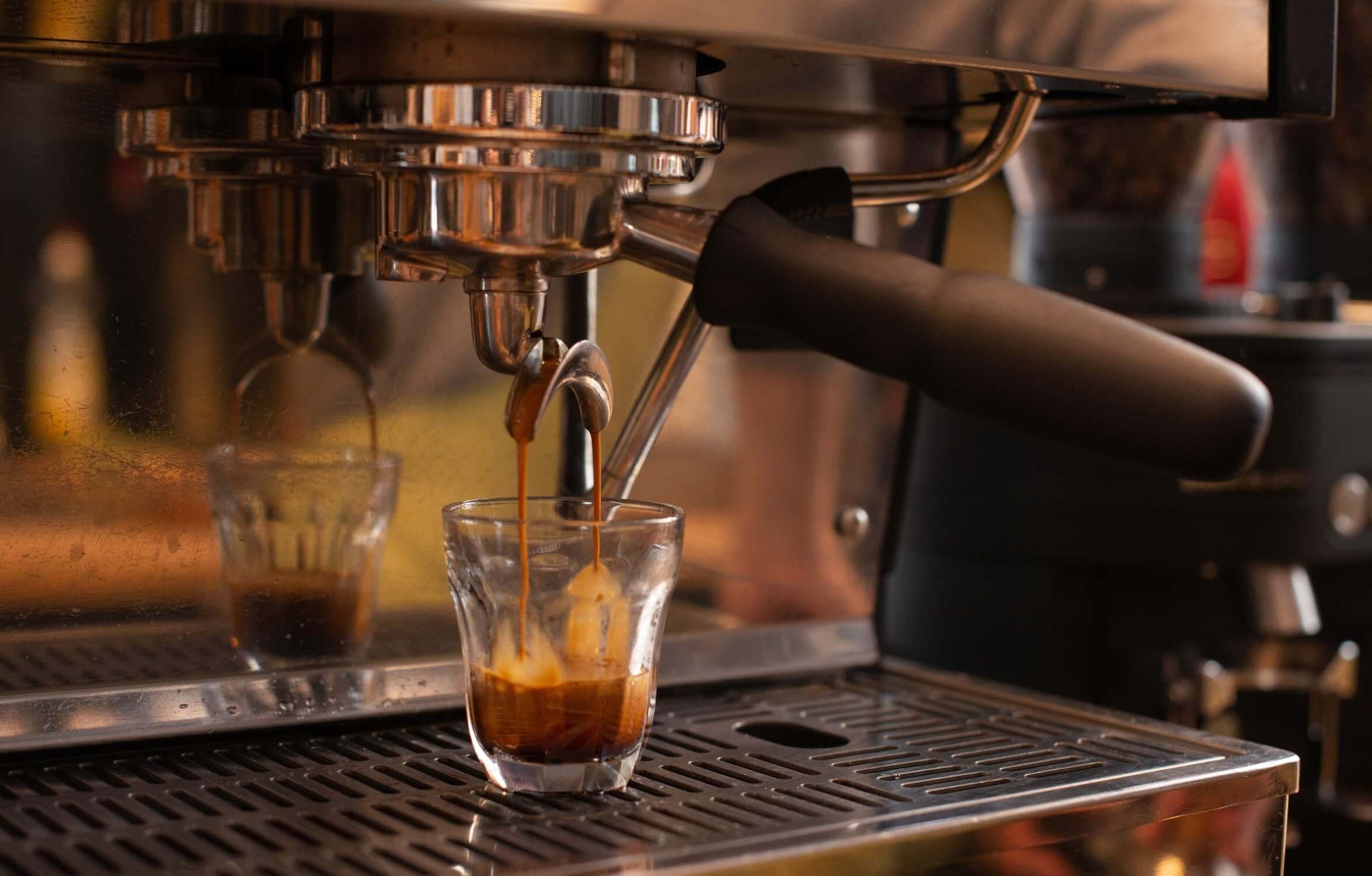
Espresso is made by forcing hot water through very finely ground coffee under high pressure within a short time. This method concentrates the aromas and flavors, resulting in a small but intensely rich and multi-layered drink. Because of this concentrated richness, espresso is both a powerful standalone beverage and the foundational base for drinks like lattes and cappuccinos.
The crema, the dense body, and the intense aroma are what make espresso unique. Notes of caramel, chocolate, roasted nuts, and burnt sugar often shine through. For those who seek energy, strength, and intensity in their coffee, espresso is usually the first choice.
Espresso beans are often roasted medium to dark. This roast level increases body, smooths out acidity, and harmonizes better with pressure-based extraction. Natural and honey-processed coffees are also popular for espresso, offering sweeter and fuller profiles.
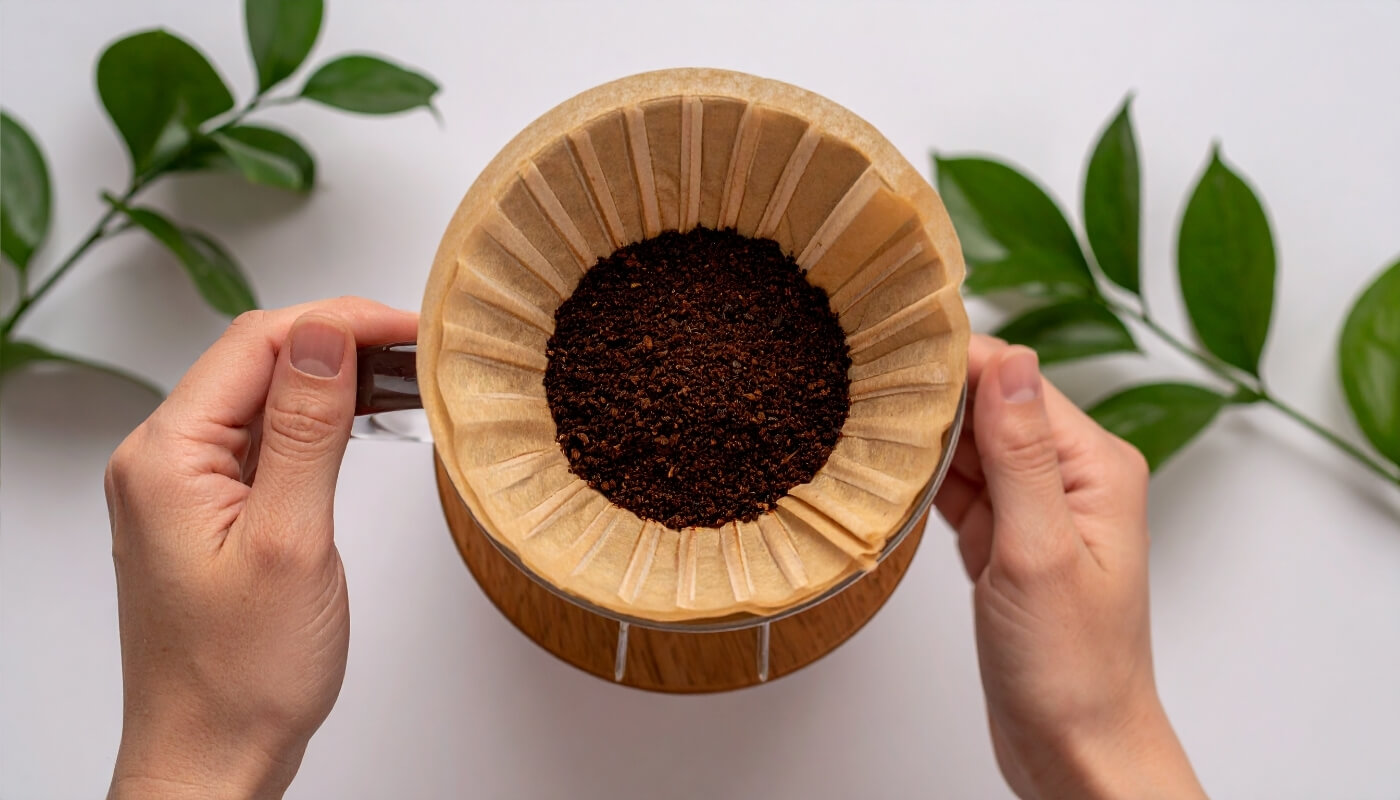
Filter coffee is brewed without pressure, allowing hot water to pass slowly through the coffee bed. Because the water stays in contact with the grounds for a longer time, the flavors emerge more gently, cleanly, and clearly.
Filter coffee highlights the natural aromatics of the bean much more distinctly than espresso. Floral, fruity, citrusy, and cocoa-like notes appear with crystal clarity. This makes filter coffee ideal for those who enjoy long sipping sessions, want to explore tasting notes, and prefer to experience the coffee’s natural nuance.
Light to medium roasts generally work best for filter brewing, as they preserve the bean’s origin characteristics. Washed coffees, in particular, offer bright, clean, and vibrant cups when brewed with filter methods.
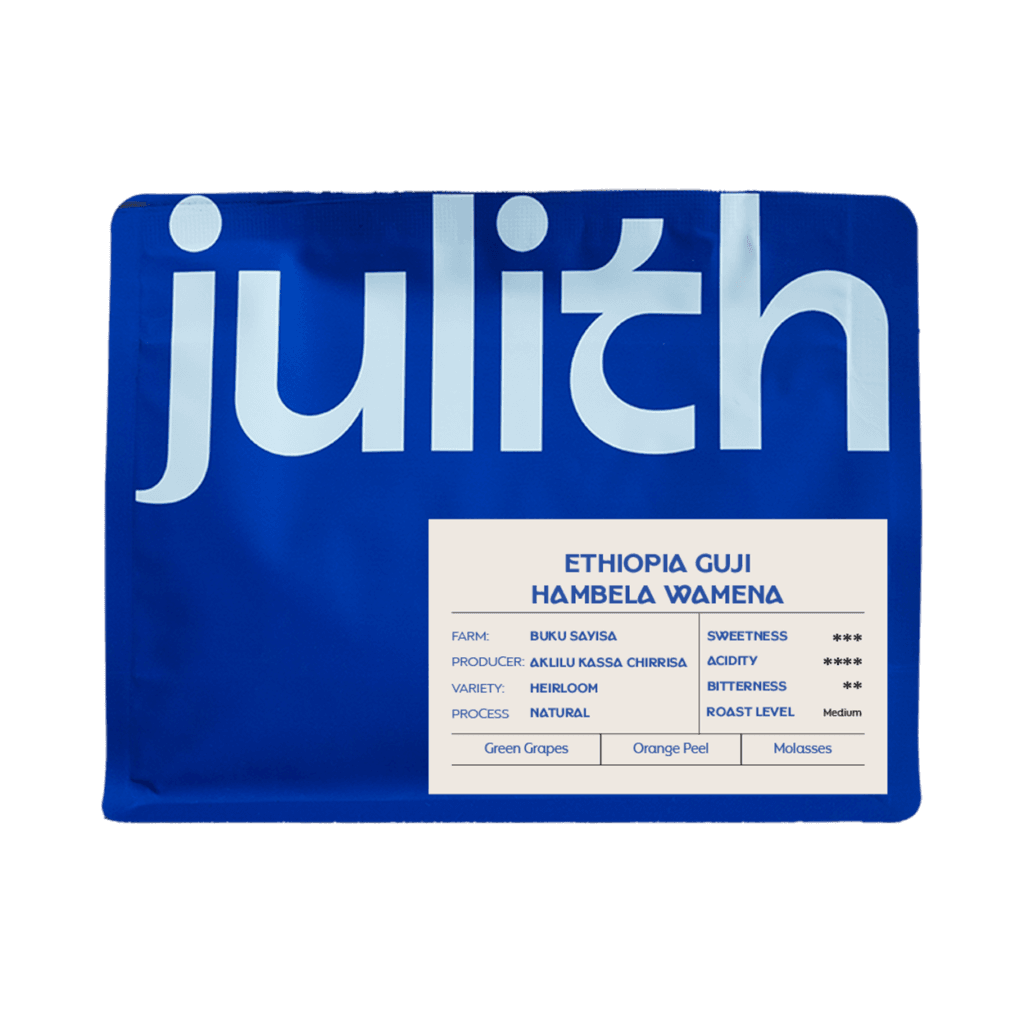
Interestingly, the same coffee bean can taste completely different when prepared as espresso or filter coffee. A floral and fruity Ethiopian bean can showcase jasmine and bergamot notes in filter brew, while becoming sweeter, denser, and more intense as espresso. This contrast is one of the most fascinating aspects of coffee.
Espresso brews in 25–30 seconds, while filter coffee takes 2–4 minutes. As water interacts differently with the grounds, the extraction level changes as well.
Espresso’s rich body and short yet intense character deliver a powerful “flavor burst.”
Filter coffee, on the other hand, offers a lighter, gradual, and layered experience—like a slow, unfolding flavor journey.
Contrary to popular belief, a single shot of espresso actually contains less total caffeine than a large cup of filter coffee. Because filter coffee stays in contact with water for a longer time, more caffeine is extracted.
However, espresso’s concentrated format can feel stronger, giving the perception of a higher caffeine kick.
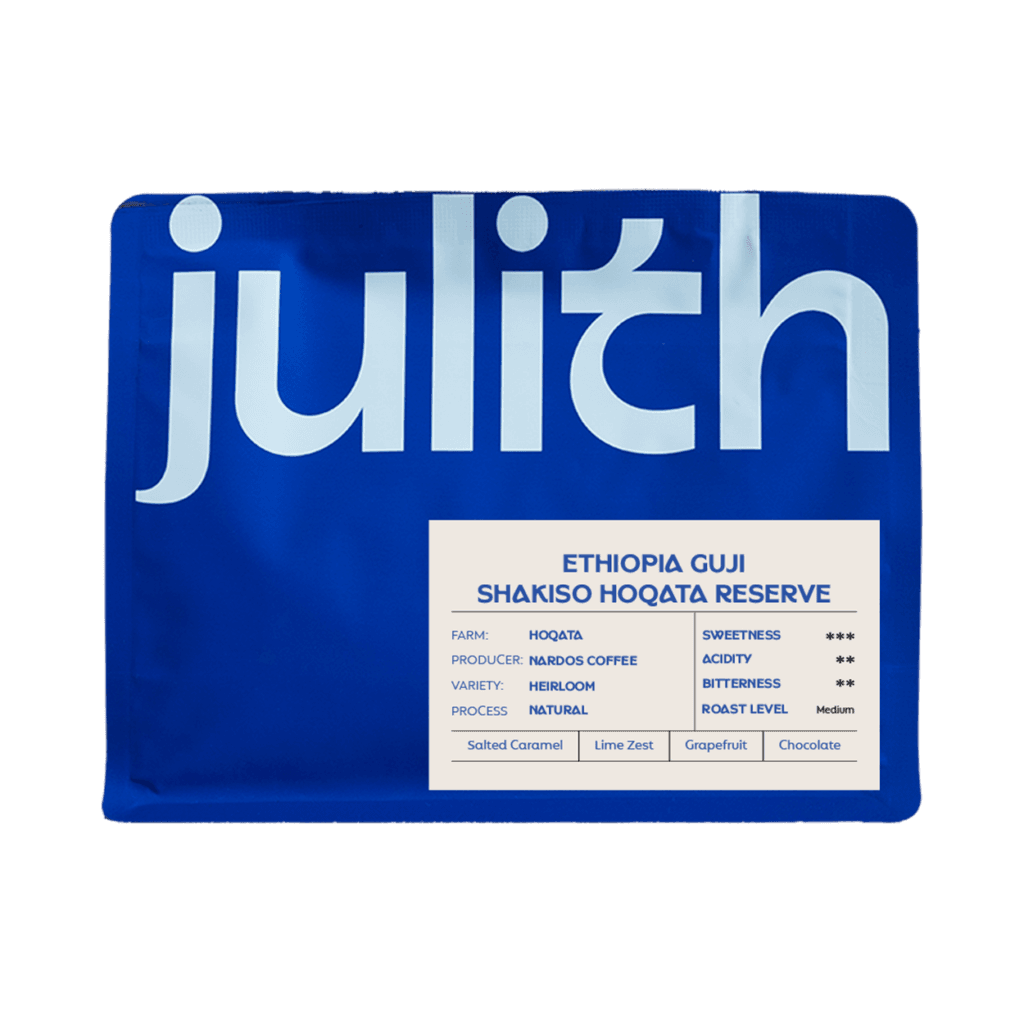
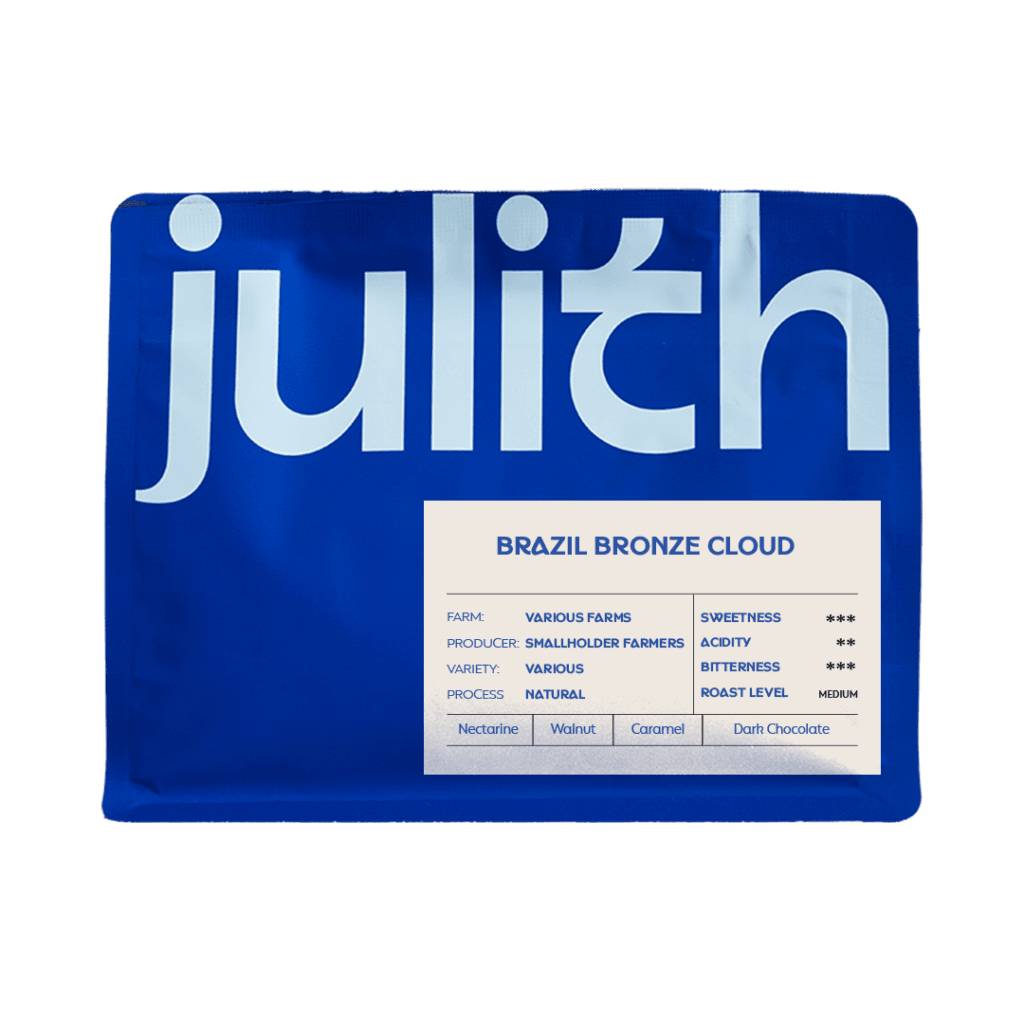
At Julith Coffee, we evaluate every coffee bean for both espresso and filter brewing and clearly indicate how it performs in each method. Some of our coffees deliver floral, bright flavors when lightly roasted for filter brewing, while the same bean roasted for espresso becomes richer, sweeter, and fuller-bodied. Our goal is to make it easier for every coffee lover to choose the most suitable brewing method for their taste.
Espresso and filter coffee may come from the same bean, but the experience in the cup is entirely different. One offers a short and intense burst of flavor, while the other provides a long, aromatic, slow-unfolding journey. Neither is “better” than the other—it all depends on your personal taste.
The best approach? Explore both worlds and enjoy the incredible variety coffee has to offer.