In pour-over brewing methods (V60, Chemex, Kalita, etc.), the filter itself affects the final taste of the coffee more than we often realize. While many focus on variables like the grinder, water, and ratio, the crucial coffee filter selection is often overlooked. However, there are significant differences between white (bleached) and brown (unbleached) filters concerning taste, odor, flow rate, and sustainability.
As Julith Coffee, we want you to experience the tasting notes of our beans in their purest, cleanest form. This comprehensive coffee filter selection guide explains what white and brown filters mean, their production differences, their impact on taste, and when to choose one over the other.
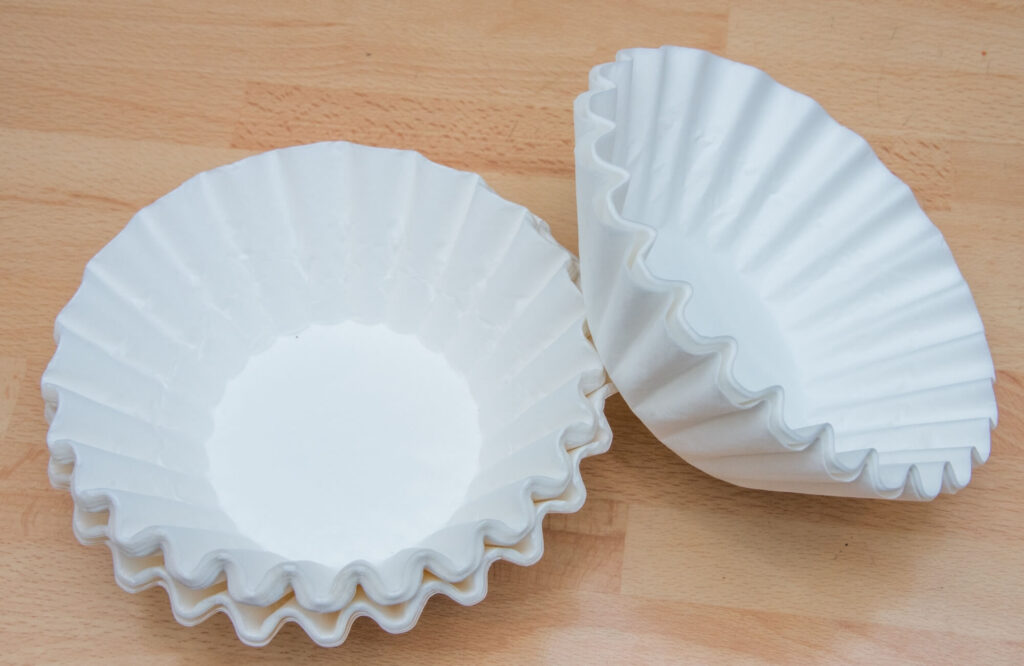
White filter papers are produced from wood pulp and then undergo a bleaching process. Modern, high-quality Third Wave brands typically use the more environmentally conscious Oxygen-Bleaching method. When done correctly, this process makes the filter more neutral and tasteless.
When should you choose a white filter? When you desire maximum clarity, neutrality, and cleanliness in the flavor profile, especially when brewing light roast or aromatic Julith Coffee beans, this coffee filter selection is ideal. White filters are also recommended for professional cupping and for brewers like the V60 and Chemex that demand a bright profile.
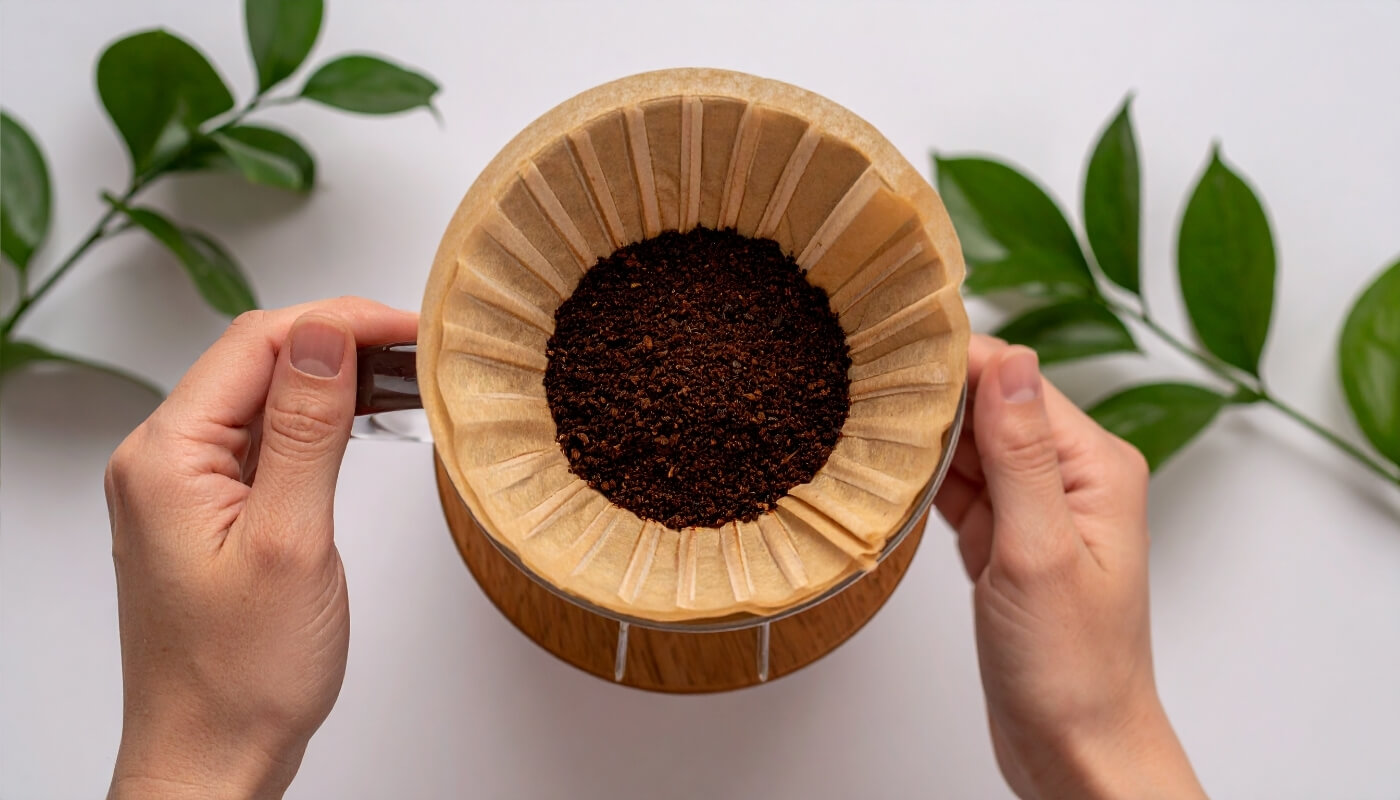
Brown filter papers are those that have undergone no or minimal bleaching. Their color closely resembles the natural color of the wood pulp, leading consumers to perceive them as “more natural.”
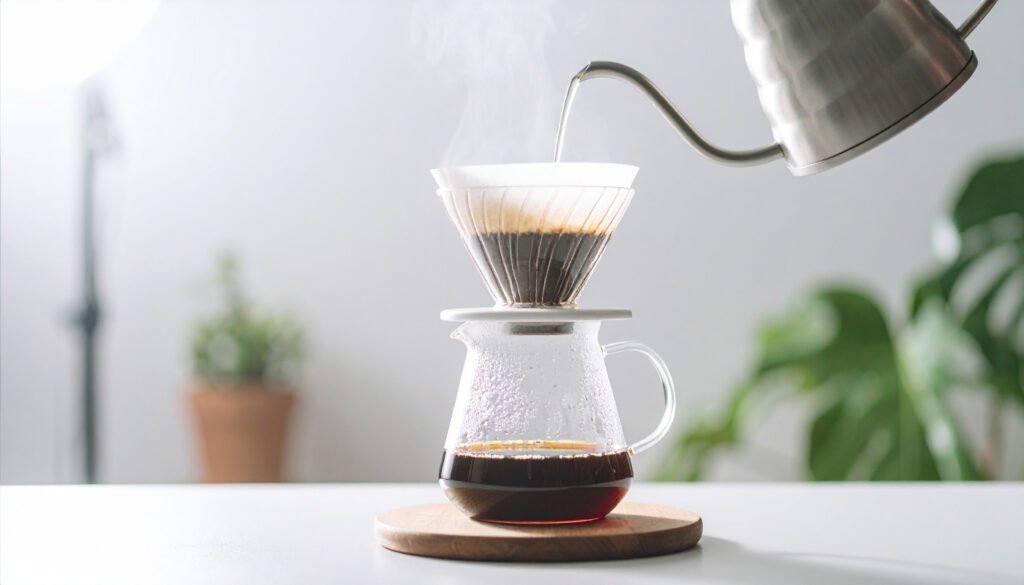
The most critical point Julith Coffee emphasizes is that regardless of the filter type (white vs brown filter), rinsing the filter with plenty of hot water before brewing is mandatory. This is done for three main reasons:
Generally, your coffee filter selection should align with your desired flavor profile. The white filter provides a more neutral, clear, and clean flavor profile, allowing delicate, fruity, and floral aromas to stand out, while the brown filter carries the risk of paper taste if not rinsed well. When thoroughly rinsed, it may offer a slightly rounder, less sharp sensation compared to the white filter.
The filter type impacts your brew time, which directly affects your grind setting. Some brown filters restrict water flow more, while some white filters allow a faster flow. Therefore, when making a different coffee filter selection, even when using the same coffee, you must check your brew time and adjust the grind slightly finer or coarser as necessary.
From a sustainability standpoint, the equation “brown = eco-friendly, white = not” is often misleading. Julith Coffee recommends focusing on filters that have FSC (Responsible Forestry) certification and use oxygen-based bleaching instead of chlorine for white filters. Remember: Whichever coffee filter selection you make, thorough rinsing with hot water is always the first step toward a perfect cup.