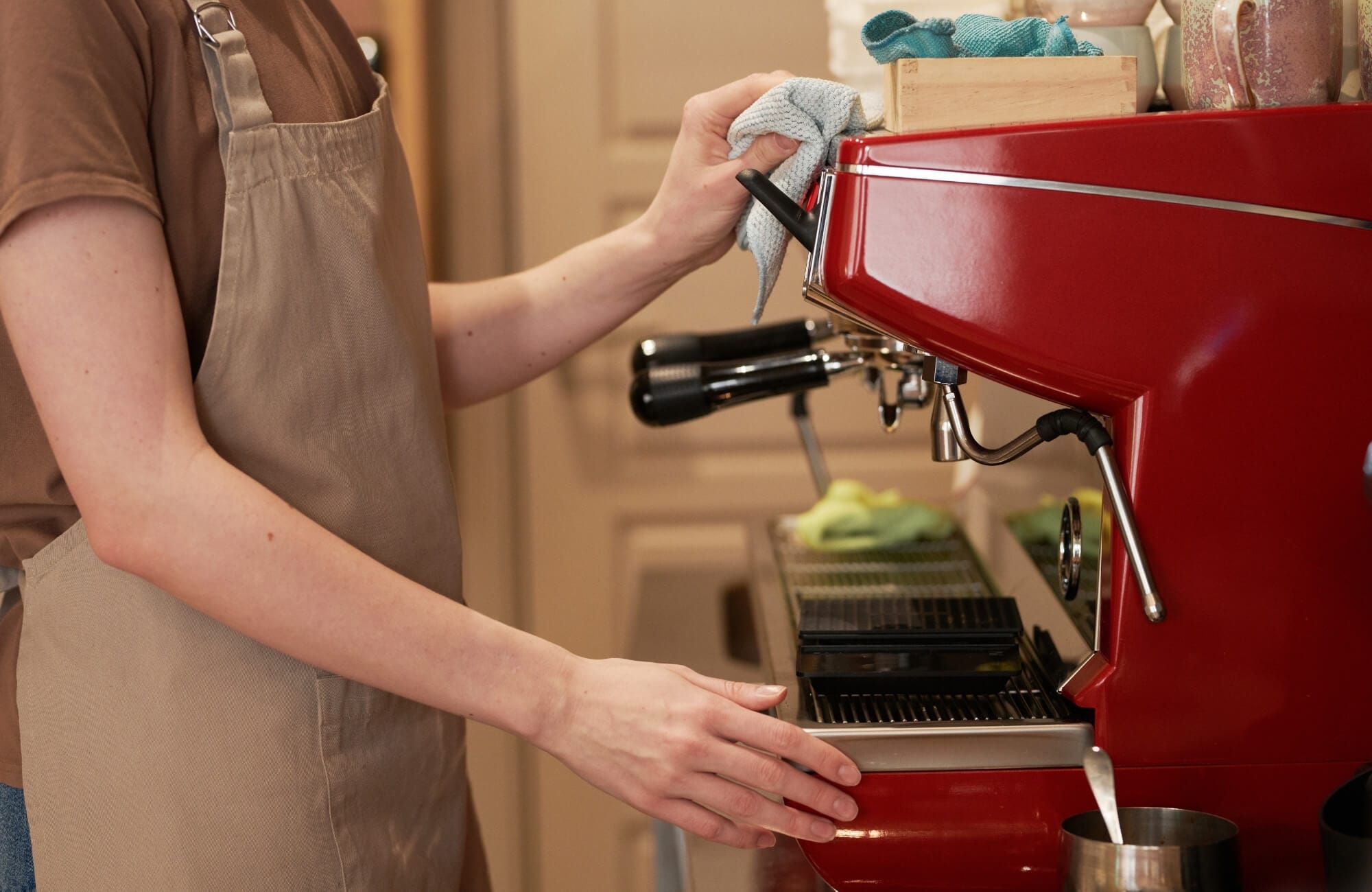
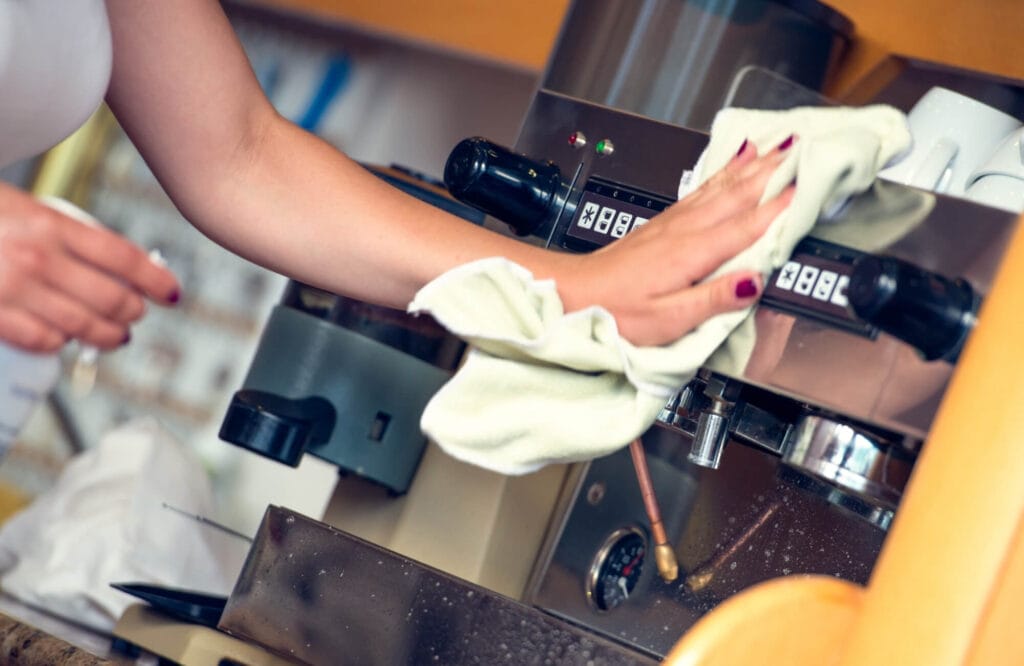
Coffee equipment is one of the most critical elements directly affecting the taste of your coffee. When discussing great coffee, the conversation usually revolves around high-quality beans, precise scales, and expensive machines. However, there is a hidden hero that accounts for 50% of your cup quality: hygiene. Coffee equipment is the most critical element affecting flavor. Even the best beans and ideal water, when combined with dirty gear, result in bitter, burnt, or dull flavors. Therefore, a professional Coffee Equipment Cleaning routine is an essential part of a barista’s expertise and cup quality.
At Julith Coffee, we have designed this comprehensive guide to take a deep dive into the daily, weekly, and monthly maintenance steps for everything from espresso machines to grinders.
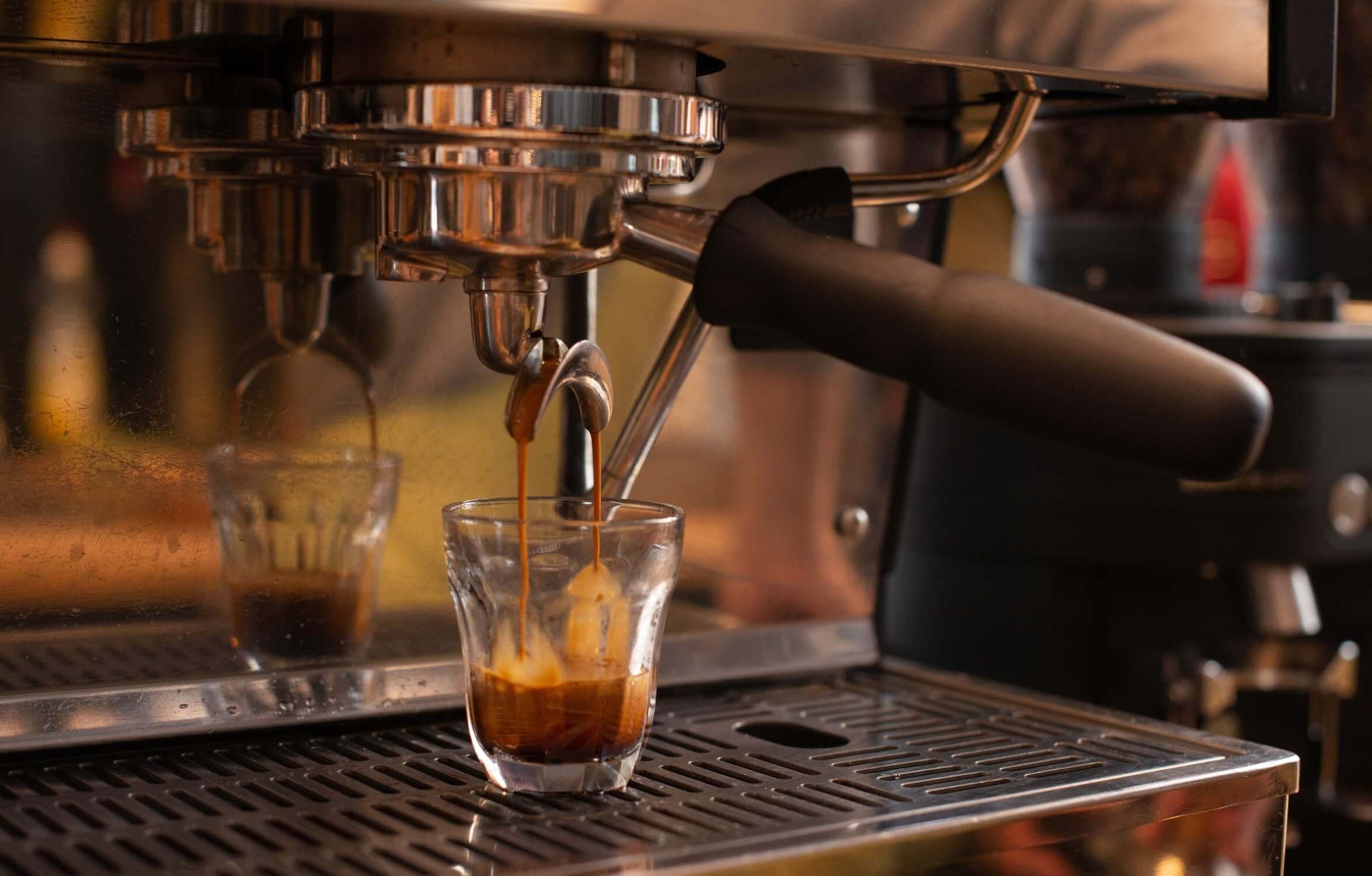
An espresso machine is the heart of any coffee bar, operating under high pressure and temperature. When not kept clean, it doesn’t just suffer mechanical failure; it also produces shots with extreme bitterness, metallic notes, and clogging in the group head. The daily Backflush-the most vital step in Coffee Equipment Cleaning-is required to remove old coffee oil residues from the group head.
The daily routine doesn’t end with a blind filter. The steam wand must be wiped after every use and purged to clear internal milk residue. Milk protein, once dried, creates an environment for bacteria and eventually clogs the steam tips. At the end of the day, soaking portafilters and baskets in hot water and specialized detergent for 20 minutes ensures that rancid oils on metal surfaces are completely removed.
The grinder accumulates oils and microscopic particles faster than any other gear. Coffee oils stick to the burrs over time and oxidize, creating a stale, burnt flavor profile. If you do not apply a regular Coffee Equipment Cleaning routine to your grinder, even your freshest beans will be contaminated by the rancid oils from previous weeks.
Weekly, you should scrub the burrs with a specialized brush and evacuate the “retention”-old coffee trapped inside the chute. Once a month, using grinder cleaning tablets allows for deep degreasing without disassembling the burrs. Remember: clean burrs mean sharper and clearer aromas.
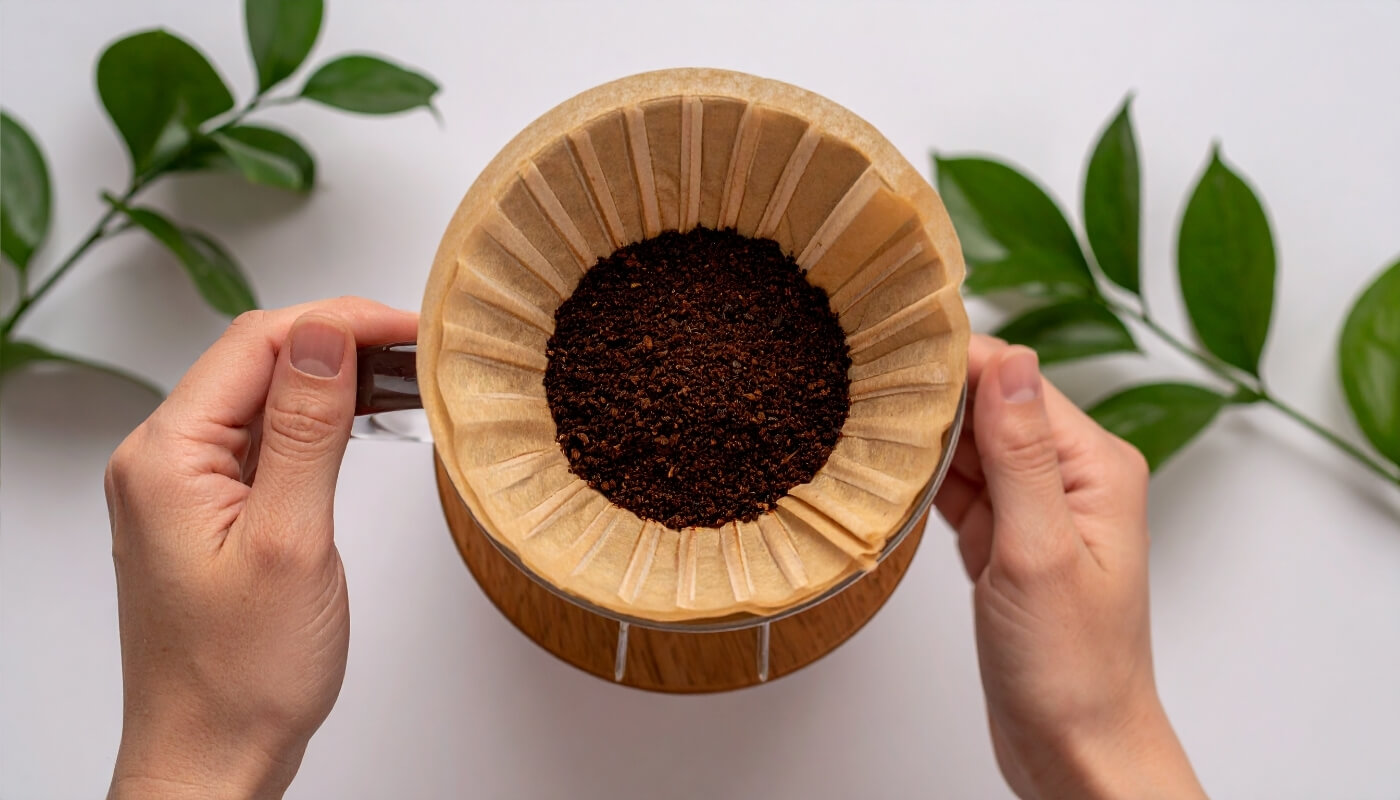
Filter equipment such as V60, Kalita, and Chemex are usually glass or ceramic, so they may look clean, but they continue to trap coffee oils at a microscopic level. If your gear is not cleaned regularly, a “papery or stale” taste can transfer to your coffee. As part of your Coffee Equipment Cleaning schedule, a deep clean of your glass servers and Chemex is recommended once a week.
Soap alone may not be enough; specialized coffee equipment detergents or a solution of hot water and baking soda will completely dissolve “coffee stone” stains on the glass. Residue trapped between the ribs of your V60 dripper can even affect the flow rate, leading to inconsistent brewing times.
Milk equipment is the highest risk area for food safety. Milk is a protein structure that spoils very quickly at room temperature. Therefore, it is necessary to rinse the pitcher with cold water immediately after each use and then wash it with hot water. According to professional Coffee Equipment Cleaning standards, every milk pitcher must be disinfected with specialized milk protein-dissolving detergents at the end of each day. This process destroys microscopic bacterial nests that accumulate at the spout and base of the pitcher.
Water kettles accumulate limescale (calcium) over time. Limescale doesn’t just shorten the life of your machine; it increases the heating time of the water and disrupts the mineral balance, negatively affecting your extraction. Depending on the water hardness in your area, descaling every two weeks should be an indispensable part of your Coffee Equipment Cleaning routine.
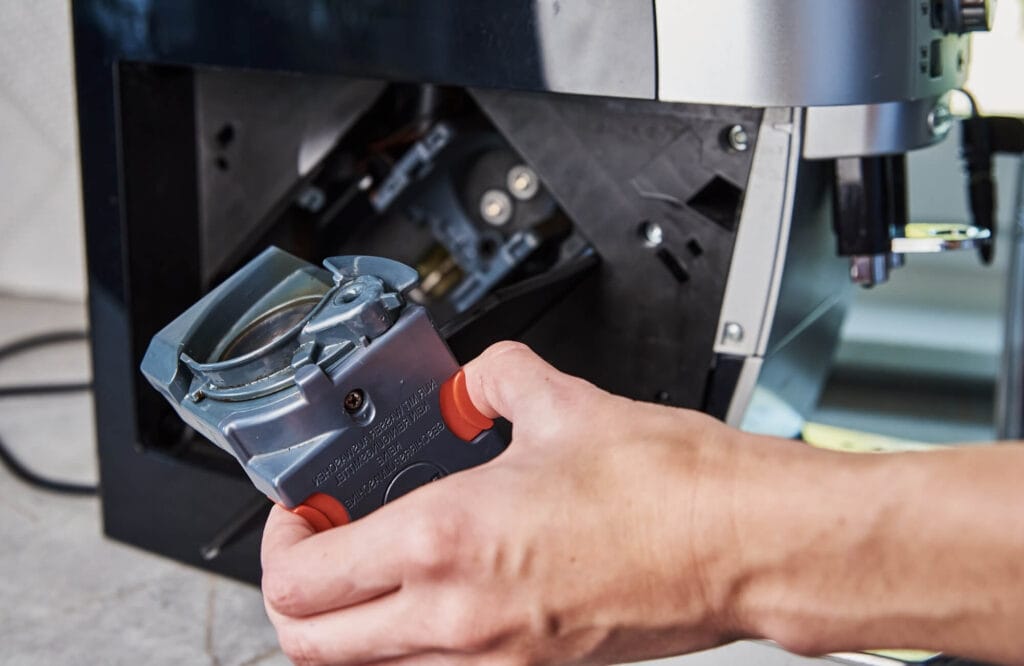
To keep your equipment performing at its peak, follow these steps once a month:
Clean equipment is not just a long-term investment; it is the guarantee of that perfect cup you drink every morning. Coffee Equipment Cleaning steps don’t take away your time; on the contrary, they elevate the pleasure you get from your coffee. Remember, for a barista, cleanliness is not a chore, but an expression of respect for quality.